
Sliding Door Lock Types: Best Types & DIY Install Guide 2026
Sliding door locks come in several types designed specifically for the horizontal sliding mechanism of patio, glass, or barn doors, prioritizing security against forced entry while allowing smooth operation. The most common is the mortise lock, recessed into the door's edge with a hook or latch that engages a strike plate on the frame, offering strong resistance to prying and often integrated with handle sets for keyed or thumb-turn operation.

Keyed locks add external access via cylinder (single or double), ideal for patio doors needing outside locking. Double-bolt or two-point locks enhance security by pinning the door to prevent lifting off the track, a frequent vulnerability in sliding designs sliding door lock types.
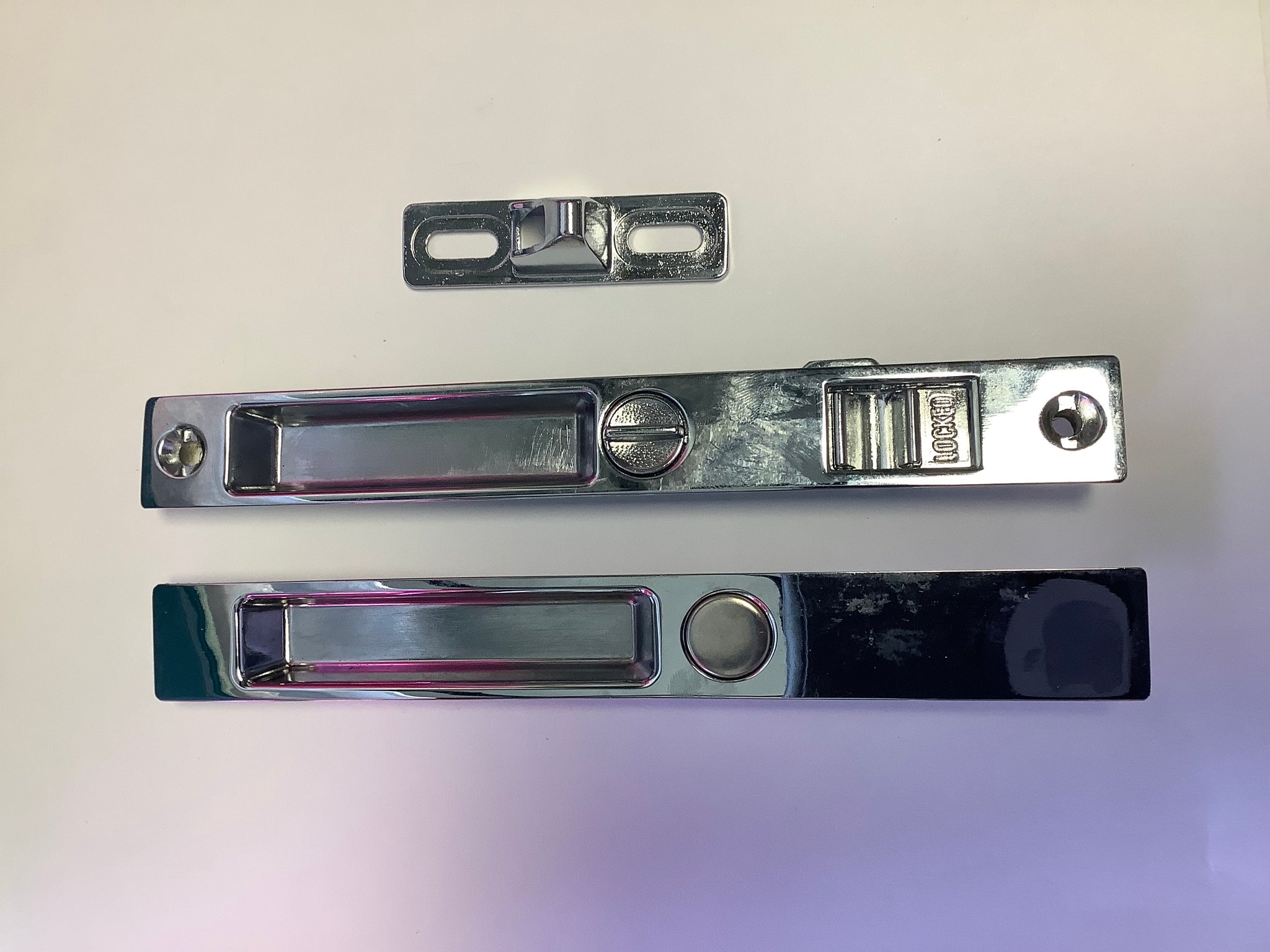
Sliding Patio Glass Door Lock, Upward Hook locking mechanism – Window Mart Depot
Surface-mounted options like loop locks, barrel bolts, or hook-and-eye latches provide simple, affordable secondary reinforcement, often used indoors or as supplements. Security bars or dowels placed in the track offer basic, low-cost deterrence.

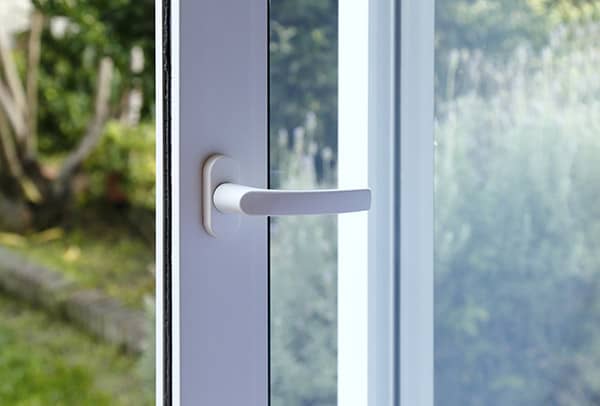
For modern needs, smart locks with remote or biometric access are emerging. Choosing the right type depends on door material (aluminum favors mortise, vinyl/wood suits surface-mounted), security level, and ease of use, with multi-point systems providing the highest protection against break-ins.
Statistics show 22% of burglaries occur through sliding doors. Burglars lift tracks or pry latches. A strong lock stops this sliding door lock types.
Key points: Measure door thickness first Sliding Door Locks. Choose based on material. Install securely to resist force.
Why Sliding Doors Are Prime Targets for Burglars (And How Locks Fix It)
Sliding doors invite intruders. They often sit at the back. Weak factory latches fail easily.
Data from security reports confirms the risk. Back doors, including sliders, account for 22% of entries in home invasions. Tracks can be lifted off rails.
Locks address these issues directly. Deadbolts extend into frames. Bars block sliding motion. This setup deters most attempts.
Quick audit steps help spot problems. Inspect for gaps over 1/4 inch. Check track alignment. Loose rollers signal weakness.
Immediate fixes work well. A security pin costs around $10. It inserts into the track. This blocks lifting overnight.
These basics set the stage. Now, let's look at specific lock types for your door.
Top 5 Sliding Door Lock Types for Your Specific Setup
Different doors need tailored locks. Here's a breakdown of the best options.
Surface-Mount Deadbolts: Best for Renters Needing No-Drill Security
Surface-mount deadbolts attach easily. They bolt onto the door edge.
Pros include a 1-2 inch extension. This resists over 500 pounds of force. No drilling means quick setup.
Cons are visibility. They show on the door. Not the sleekest look.
Ideal for vinyl patio doors. Renters love the adhesive versions. Install in under 10 minutes.
This type suits temporary needs. But if you own the home, consider something more integrated next.
Mortise Locks: For Wood or Aluminum Doors Demanding Flush Fit
Mortise locks fit inside the door. They require a cutout.
Pros: Hidden parts. Auto-locking on close. Strong against prying.
Cons: Needs a 1-inch pocket. DIY might need tools. Pros handle it better.
Best for interior pocket doors. Add keyed cylinders for outside access. Works on wood or aluminum frames.
Flush design appeals to many. For added strength without cuts, bars come in handy.
Adjustable Security Bars: Stop Forced Slides Without Permanent Changes
Security bars span the track. They adjust to fit.
Pros: Covers 28-48 inches. Aluminum build holds 1,000 pounds. Pressure-fit installation.
Cons: Remove for use. Not for constant traffic.
Perfect for glass sliders in risky areas. Angle against the frame. Counters pry tools effectively.

How To Install a Sliding Glass Patio Door Security Bar by Ideal Security - Step by Step Installation
Bars offer versatility. If your latch is worn, upgrade to keyed handles.
Keyed Cylinder Handles: Upgrade Worn Factory Latches in 5 Steps
Keyed handles replace old ones. They include cylinders.
Pros: Fits 1.5-1.75 inch doors. Thumb-turn inside. Quick exit in emergencies.
Cons: Keys can get lost. Choose models with disables.
Suited for exterior sliders. Zinc die-cast resists weather. Reversible for left or right.
Sliding Patio Door Handle Set with Key Cylinder and Mortise Lock ...
Handles boost daily security. For budget options, pins provide simple protection.
Twist-In or Loop Pins: Budget Child-Proofing for Screen Doors
Pins insert into holes. They block partial opens.
Pros: Cost $5. Steel or plastic. Install in seconds.
Cons: Hold under 200 pounds. Use with other locks.
Great for screen doors. Stainless steel for humidity. Keeps kids safe inside.
Pins start basic security. Matching the right lock to your door ensures full coverage.
How to Choose the Right Lock for Your Door's Weak Spots
Start with measurements. Track width and door thickness matter. Mismatches cause 40% of install fails.
Assess your needs. Low risk? Use latches for pets. Medium? Bars for cities. High? Combine mortise and bars.
Match materials. Zinc for outdoors. It fights corrosion. Brass for indoor style.
Budget impacts choice. Pins under $20. Keyed sets $30-60. Prevent average $2,500 burglary loss.
ROI is clear. Once chosen, installation keeps things secure.
Step-by-Step DIY Installation: No Tools? No Problem
DIY saves money. Follow these for common types.
For Security Bars (5-Minute Setup)
Measure the track. Adjust bar length to snug fit.
Place at 45 degrees. Against the fixed panel.
Test by pushing. Add rubber pads if it slips.
Bars are straightforward. Handles take a bit more effort.
For Keyed Handles on Patio Doors (15-Minute Swap)
Remove old handle. Unscrew 4-6 fasteners.
Align new cylinder. Secure the mortise plate.
Lubricate track with silicone. Test key under pressure.
Use a cordless drill. Watch for frame twists.
Handles upgrade access. Mortise needs precision.
Mortise Lock Retrofit for Pocket Doors (30-Minute Precision)
Mark the pocket. 1x2 inches.
Chisel or route carefully. Insert lock body.
Screw strike to jamb. Adjust latch sensitivity.
Template jigs help. $10 on sites like Amazon.
Installs done right last. But issues can arise over time.
Troubleshooting Common Sliding Door Lock Failures
Locks fail for reasons. Fix them early.
Door won't latch? Tighten rollers. Replace bent plates for $8.
Rust in rain? Use graphite lube. Upgrade to stainless.
Key sticks? Clean debris. Double-cylinders even wear.
Bar slips? Shim with strips. Choose footed bars.
Warped frame? Call pros. Costs $150 vs. new door at $500+.
Troubles solved maintain security. Regular checks prevent bigger problems.
Maintenance Schedule to Keep Locks Break-In Proof
Schedule upkeep. It extends life.
Monthly: Wipe tracks. Test mechanisms.
Quarterly: Lubricate parts. Check cracks.
Yearly: Audit fully. Replace if bolt short.
Pair with lights. Boosts deterrence by 70%.
Maintenance builds habits. Answers to common questions follow.
FAQs: Quick Answers to Your Sliding Door Lock Headaches
Can regular deadbolts work on sliders? No. Use track-specific. Avoids warranty issues.
Best for French sliders? Mortise with offsets. Handles dual panels.
Smart locks compatible? Yes. Brands like Yale add app control for $100+.
Secure from inside without keys? Thumb-turns or bars. Meets fire codes.
Sliding doors, as explained on, evolved for easy access. But security matters most.
This guide covers essentials. From risks to fixes, you're set to protect your home.




2 thoughts on “Sliding Door Lock Types: Best Types & DIY Install Guide 2026”