Aluminium: Properties, Uses & Practical Guide for Projects
Aluminium stands as the third most abundant element in Earth's crust, making up 8.3% by mass. It has atomic number 13 and symbol Al. This metal offers low density at 2.70 g/cm³, high corrosion resistance, and excellent conductivity.
Engineers choose aluminium for its strength-to-weight ratio. Alloys can reach yield strengths up to 600 MPa. It conducts heat at 237 W/(m·K) and electricity better than many metals per unit weight.
Production starts with bauxite ore, refined via the Bayer process into alumina, then electrolyzed in Hall-Héroult cells. Global output hit 69 million tonnes in 2024. Recycling saves 95% of energy compared to primary production.
Aluminium plays a major role in transportation, packaging, and construction. For example, modern aircraft rely on it for up to 80% of their structural weight in models like the Airbus A350. Meanwhile, beverage cans and food foils use its complete barrier against gases and light.
These real-world uses stem directly from its core properties. First, a thin natural oxide layer forms instantly on exposure to air, which stops further rust. Second, its density sits at just one-third of steel, so switching to aluminium cuts vehicle weight by around 40%. As a result, cars and trucks gain up to 10% better fuel efficiency or longer electric range.
On top of that, aluminium excels in conductivity. In power transmission lines, it carries twice the current of copper for the same weight, making long-distance grids lighter and cheaper. Similarly, in cookware, heat spreads evenly across the base, eliminating hot spots and giving consistent cooking results.
Another key advantage is corrosion resistance, which stays strong between pH 4 and 9. However, outside that range—especially in strong acids or alkalis—the surface can pit quickly. To solve this, anodizing grows the oxide layer to 25 microns or more, dramatically boosting durability in harsh conditions.

Aluminum Properties Electron Configuration- Vector Illustration
Now, let's dive into how these traits solve real-world issues. For instance, in marine settings, untreated aluminium fails from salt exposure. Cladding with zinc alloys prevents this, extending life by 20 years.
Producing primary aluminium is energy-intensive. The Hall-Héroult process alone consumes 13–15 kWh per kilogram of metal. However, when smelters run on hydropower instead of coal or gas, carbon emissions plummet to just 4 kg CO₂ per kg—less than a third of the global average. China produces 59% of global supply, but diversifying to Australia (30% bauxite) stabilizes chains.
Bauxite mining generates red mud, 1-2 tonnes per tonne of alumina. Proper storage in lined ponds avoids leaks. Recycling scrap avoids this waste entirely, with 75% of all aluminium ever made still in use.
Alloying is how you customize aluminium for the job. For example, adding about 4% copper creates the 2024 alloy—widely used for aircraft skins because it delivers excellent fatigue resistance. On the other hand, if you overdo magnesium (above 6-7% in some series), the material becomes prone to stress-corrosion cracking. That’s why you should always test candidate alloys using ASTM standards (like ASTM B209 or G34) before committing—this simple step ensures the alloy perfectly matches your specific load and environment.
In transportation, aluminium cuts emissions. EVs with aluminium chassis weigh 30% less, boosting range by 15-20%. Boeing 787 uses 20% aluminium composites, saving 20% fuel over older jets.
Packaging relies on its barrier qualities. Foil blocks 99.9% of light and oxygen, extending dairy shelf life by months. For cans, 3004 alloy withstands pressure without denting during transport.
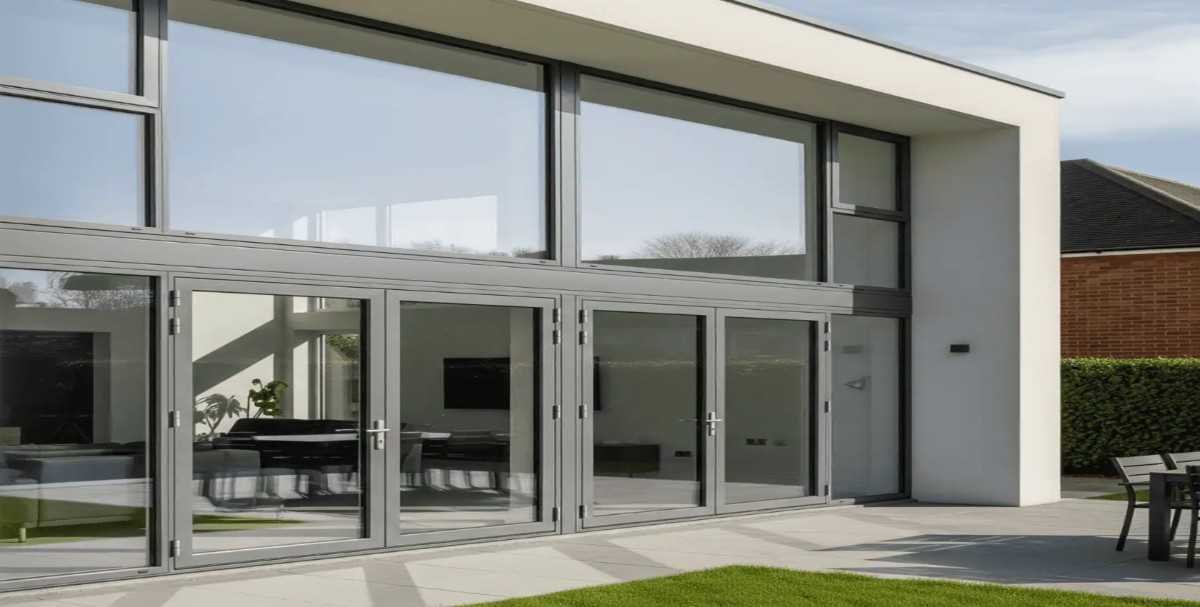
Construction benefits from extrusions. Window frames resist warping up to 100°C. In skyscrapers, aluminium facades reflect 80% of sunlight, lowering cooling costs by 15% in hot climates.
Niche uses include non-sparking tools for oil rigs. They prevent explosions in flammable areas. In solar panels, aluminium frames hold up against wind loads of 240 km/h.

Why Aluminum Alloy 2024 Is the Best Material for Aircrafts ...
Challenges arise with toxicity myths. No solid link to Alzheimer's per WHO studies. In soil, high aluminium at pH below 5 harms plants. Lime raises pH, binding ions and increasing yields by 25%.
Recycling hits roadblocks like contamination. Sort alloys properly to maintain purity. Induction furnaces recover 90% from dross, cutting landfill waste.
Durability issues stem from fatigue. In bridges, vibrations crack pure aluminium. Use 6061-T6 alloy, tested to 10 million cycles, for safe spans.
Common error: Assuming aluminium weakens over time. It doesn't; creep resistance holds at room temperature. Avoid this by consulting yield charts for long-term loads.
Environmentally, production emits 1% of global CO₂. Shift to inert anodes cuts this by 85%. Hydro-powered plants in Norway achieve near-zero emissions.
Mining affects biodiversity. Rehabilitate sites by replanting native species. In Australia, 80% of mined land returns to forest within five years.
For net-zero, design products for easy disassembly. ISO 14001 certification tracks recyclability. Each tonne recycled offsets 9 tonnes of CO₂.
Looking ahead, aluminium fits EVs. Demand may reach 120 million tonnes by 2030. In batteries, aluminium foils improve conductivity, raising efficiency by 10%.
Renewables use it for wind turbine blades. Lightweight designs handle higher winds, generating 20% more power. Hydrogen storage employs porous aluminium oxide for safe transport.
3D printing advances custom parts. Print 7075 alloy for aerospace, matching forged strength. Test prototypes under real loads to validate.
To optimize your project, start with alloy selection. Match density and strength to needs. For sustainability, aim for 50% recycled content.
Audit suppliers for low-carbon certifications. In the US, EPA guidelines ensure compliance. Track via apps like AluCycle for chain transparency.
In summary, aluminium delivers on performance and eco-goals. Its properties solve weight, corrosion, and cost issues across sectors. Use this guide to spec your next build right.
For a deeper dive into the element's basics, check Aluminium on Wikipedia.
Comment your project challenge below—I'll offer tailored tips based on these insights.





One thought on “Aluminium: Properties, Uses & Practical Guide for Projects”