The Subtle Alchemy of Tinted Glass Windows: Melding Elegance
Introduction
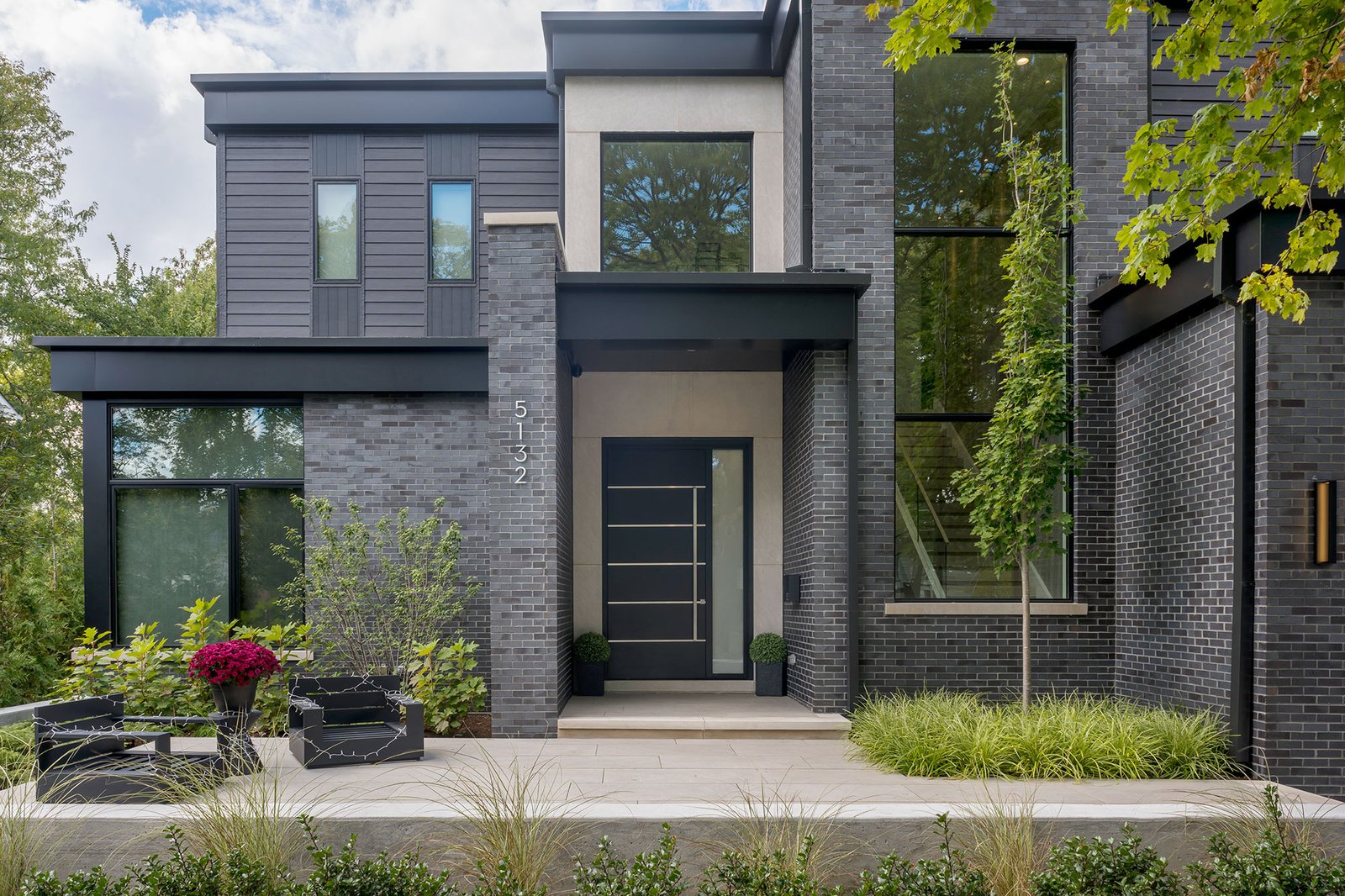
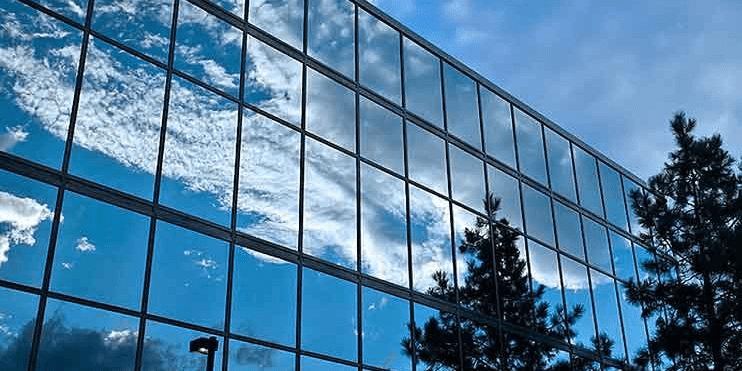
Have you ever paused to ponder the quiet charm of tinted windows adorning modern abodes, corporate towers, or sleek automobiles? Their allure transcends mere visual sophistication. Tinted glass is a masterstroke that intertwines discretion, aesthetic finesse, and energy prudence within a singular, elegant innovation. Whether your goal is respite from the merciless summer blaze or a refined elevation of your vehicle’s aura, tinted glass reshapes the very way light interacts with your surroundings Tinted Glass Windows.
Deciphering Tinted Glass
What Constitutes Tinted Glass?
At its essence, tinted glass is conventional glass metamorphosed through the application of a delicate film or the infusion of metallic or mineral elements. This subtle alchemy diminishes the influx of light and thermal energy. Available in a spectrum of hues and translucencies, it grants dominion over the luminous ambiance that permeates your interiors.
The Mechanics of Tint
Functioning as a vigilant guardian, the tint selectively filters certain wavelengths—most notably infrared and ultraviolet. The outcome is a tempered interior climate and safeguarded furnishings, shielded from the silent erosion wrought by sunlight.
Diverse Tinting Mediums
Tinting films derive from multifarious compositions: metalized layers, ceramic concoctions, dyes, or carbon-enriched laminates. Each carries distinct virtues, calibrated to harmonize with individual aspirations, environmental conditions, and aesthetic sensibilities.
Varieties of Tinted Glass Windows
Dyed Window Tint
This entry-level variant utilizes dye to absorb solar energy, tempering glare and heat. Over time, however, relentless sun exposure may subtly fade its chromatic vitality.
Metalized Window Tint
Comprising microscopic metallic particles, metalized tints reflect thermal energy with enduring efficiency. A caveat: they may occasionally interfere with GPS and radio signals—a harmonious beauty with a minor quirk.
Carbon Window Tint
Carbon-infused films afford superior UV shielding while maintaining signal fidelity. Their soft, matte finish imparts an understated luxury, discreet yet alluring.
Ceramic Window Tint
The pinnacle of sophistication, ceramic tints resist fading and repel up to 99% of ultraviolet radiation. They provide crystalline transparency coupled with formidable thermal resilience.
Hybrid Window Tint
Hybrid variants, melding dyed and metalized technologies, strike an exquisite equilibrium among cost, performance, and aesthetics—a masterstroke for the pragmatic aesthete.
Advantages of Tinted Glass
Mitigating Heat
Tinted glass tempers the ferocity of solar ingress, preserving interiors in a state of cool composure even under relentless sunlight.
Shielding Against UV
By obstructing ultraviolet rays, tinted glass safeguards furnishings, textiles, and automotive interiors from the slow attrition of fading and discoloration.
Privacy and Glare Management
Daylight can be embraced without exposing interiors to prying eyes. Simultaneously, glare is softened, crafting an oasis of calm within illuminated spaces.
Elevating Aesthetic Gravitas
From stately sedans to architectural marvels, tinted glass whispers understated sophistication, a hallmark of contemporary elegance.
Energy Prudence and Cost Efficiency
By diminishing thermal influx, tinted glass reduces air-conditioning demands, lowering energy expenditures and minimizing ecological footprint.
Applications Across Spheres
Residential Sanctuaries
Homeowners prize tinted glass for its marriage of privacy, comfort, and energy thrift. Particularly in sun-exposed façades, it acts as a vigilant guardian against excessive luminance.
Corporate Environments
Enterprises integrate tinted glazing to sustain visual harmony while curbing operational costs, fusing design integrity with pragmatic sensibility.
Automotive Elegance
In vehicles, tinting transcends ornamentation—it shields occupants, softens glare, and enhances the driving experience.
Tinted Glass as an Energy Sentinel
Serving as a thermal gatekeeper, tinted glass permits visible light to pass while deflecting infrared heat. This filtration alleviates strain on cooling systems, prolonging operational lifespan and reducing electricity consumption.
Privacy and Security Enhancements
Tinted windows obscure interiors from external observation, creating an intimate sanctuary. Advanced films fortify the glass itself, enhancing resistance to shattering or forced entry.
Stewardship of Tinted Glass
- Employ gentle, ammonia-free cleaners.
- Avoid abrasive instruments.
- Allow several days post-installation for full curing before cleaning.
- Consistent, delicate maintenance preserves pristine clarity.
Dispelling Common Myths
- “Tinted glass darkens interiors.” Modern films allow ample illumination while mitigating heat.
- “Tint peels quickly.” High-quality materials, expertly installed, can last beyond a decade.
- “Tinting is illegal.” Only certain opacity thresholds are regulated depending on local statutes.
Installation Insights
Professional vs. DIY
While DIY kits may entice, professional installation ensures precision, eliminating unsightly air pockets or misalignments.
Stepwise Procedure
- Meticulous surface cleaning.
- Accurate measurement and film trimming.
- Careful adhesive application.
- Air pocket smoothing and curing.
Financial Considerations
Costs vary with material, area, and craftsmanship:
- Residential: $6–$12 per sq. ft.
- Commercial: $8–$15 per sq. ft.
- Automotive: $100–$600 for full coverage.
Environmental Resonance
By reducing energy consumption, tinted glass mitigates greenhouse gas emissions. Contemporary films often employ recyclable or eco-conscious materials, embodying an environmentally mindful ethos.
Legal and Regulatory Nuances
Opacity levels, particularly in vehicles, are governed locally. Compliance verification is essential prior to installation.
Selecting the Ideal Tint
Consider:
- Sun exposure and climate.
- Budgetary parameters.
- Desired privacy.
- Aesthetic inclination.
When uncertain, a consultation with a seasoned tinting artisan ensures bespoke guidance.
Conclusion
Tinted glass windows are far more than ornamental—they symbolize foresight, comfort, and environmental sagacity. Be it in a tranquil residence, a bustling office, or a refined vehicle, their presence harmonizes visual allure with pragmatic excellence.
FAQs
- How long does window tint endure? Premium films last 10–20 years with diligent care.
- Can tinted glass be removed? Experts can safely remove it without harming the underlying pane.
- Does tinting block all UV radiation? Carbon and ceramic films block up to 99% of harmful UV rays.
- Will tinting hinder nighttime visibility? High-quality films maintain clarity under low-light conditions.
- Is DIY installation viable? While possible, professional application ensures superior aesthetics and durability.