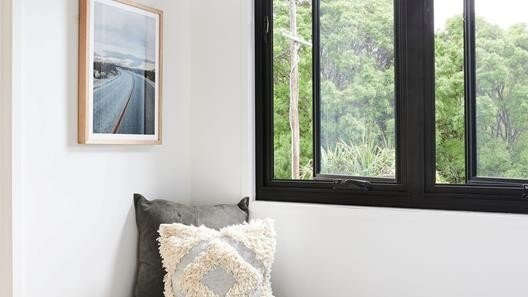
Black aluminium windows stand out in modern and traditional UK homes. They offer slim frames and strong contrast against brick or render.
Homeowners choose them for larger glass areas and better natural light. In 2025, matte black and jet black finishes lead trends, with black frames creating bold looks in new builds and extensions.
This guide covers key advantages, features, installation tips, maintenance, and costs. It helps you decide if black aluminium windows suit your project.
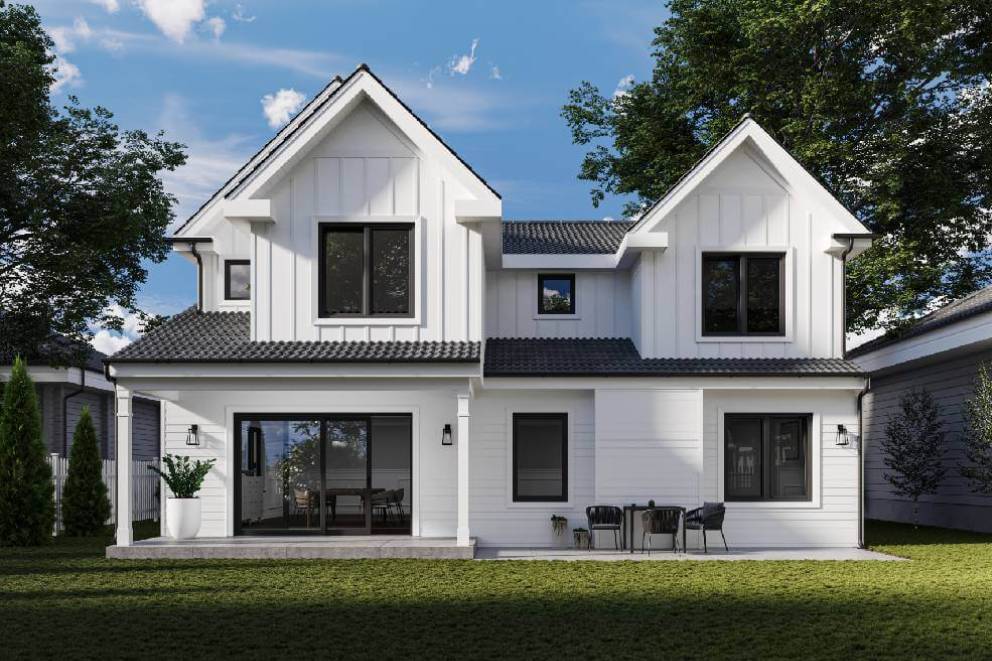

Solving Common Issues with Black Aluminium Windows
Black aluminium windows address problems like limited light, poor durability, and high energy loss.
Modern powder-coated black finishes handle heat better than expected. Thermal breaks and Low-E glass keep interiors cooler in summer.
Aluminium resists corrosion, even in coastal areas, lasting 45+ years compared to uPVC’s 20-30 years.
Slim profiles (around 20-30mm) allow up to 15-20% more glass than thicker uPVC frames. This brings in more daylight without weakening the structure.
These fixes make black aluminium a solid choice for long-term performance.
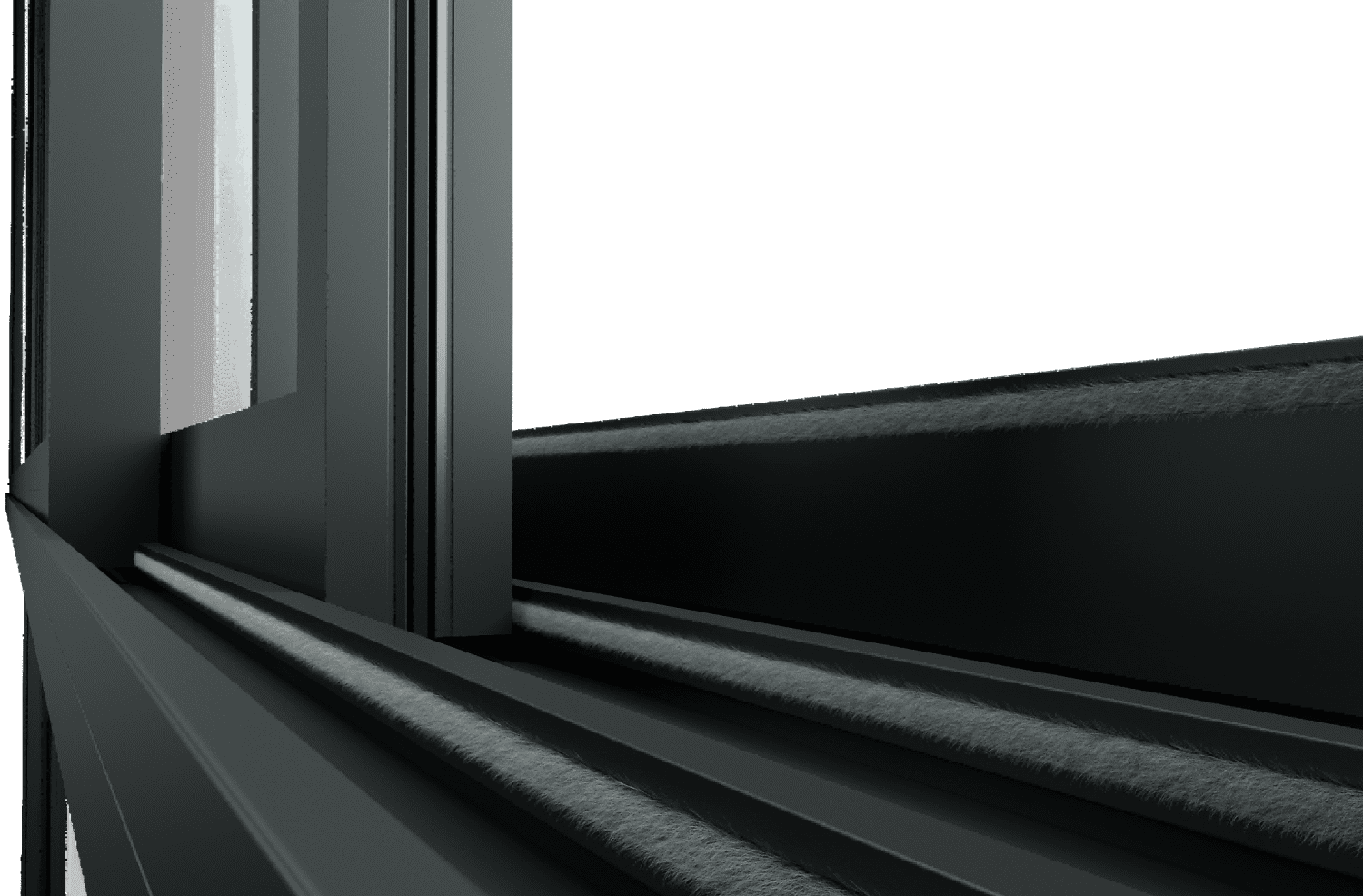
The Ultimate Guide to Residential Aluminum Windows
Essential Features for Black Aluminium Windows
Focus on these when selecting:
- Energy performance — Look for thermal breaks and triple glazing. Top systems achieve U-values below 1.4 W/m²K, often 1.0 or lower with argon fill. This cuts heating costs noticeably.
- Security options — Choose multi-point locks and PAS24-rated hardware. Hinge guards add protection for accessible windows.
- Style matches — Opt for flush casement or tilt-turn. RAL 9005 jet black works well on exteriors, often paired with white interiors for contrast.
Aluminium’s strength supports larger spans without extra bars, keeping views clear.

Revealing Our New Black Interior Windows – Chris Loves Julia
Installation Steps to Avoid Problems
Proper installation prevents drafts and leaks.
Measure openings accurately, allowing 5-10mm gaps for expansion. Use packers and laser levels for alignment.
For most homes, hire certified installers to meet building regulations. DIY suits small replacements if you have experience.
After fitting, check seals and operation. Add weep holes if needed for drainage in wet areas.
Good installation ensures efficiency and avoids costly fixes later.
Easy Maintenance for Black Aluminium Windows
Aluminium requires little upkeep.
Clean frames every 3-6 months with mild soap and water. Use a soft cloth to avoid scratches on the powder coat.
Lubricate hinges and tracks yearly with silicone spray. This keeps them smooth.
Quality coatings resist fading for 10-25 years. Touch up minor marks early if they appear.
Regular care keeps windows looking sharp and functioning well.
Black Aluminium Windows Cost Guide
Expect £450-£800 per casement window, including double glazing. Black finishes add little extra.
A typical 10-window house costs £6,000-£12,000 supplied and fitted. Triple glazing or larger sizes increase this.
Aluminium costs more upfront than uPVC but lasts longer and boosts resale value.
Shop multiple quotes and check for warranties covering the finish.
Examples of Black Aluminium Window Projects
- Victorian homes swap old frames for slim black casements. This adds light while matching heritage styles.
- Coastal properties use marine-grade black aluminium. It handles salt air without rust.
- Modern extensions feature floor-to-ceiling black frames. They create seamless indoor-outdoor flow.
These cases show how black aluminium solves design and practical challenges.
Final Thoughts on Choosing Black Aluminium Windows
Black aluminium windows combine style, strength, and efficiency. Slim sightlines, durable finishes, and good insulation make them versatile for UK homes.
They address light, weather, and longevity issues effectively.
For more on aluminium, see the Wikipedia page on Aluminium.
FAQs About Black Aluminium Windows
Do black aluminium windows overheat? Modern coatings and thermal breaks minimise this. Pair with reflective glass for hot spots.
How long do they last? 45+ years with proper care, longer than most uPVC.
Are they energy efficient? Yes, advanced systems reach low U-values and high ratings.

