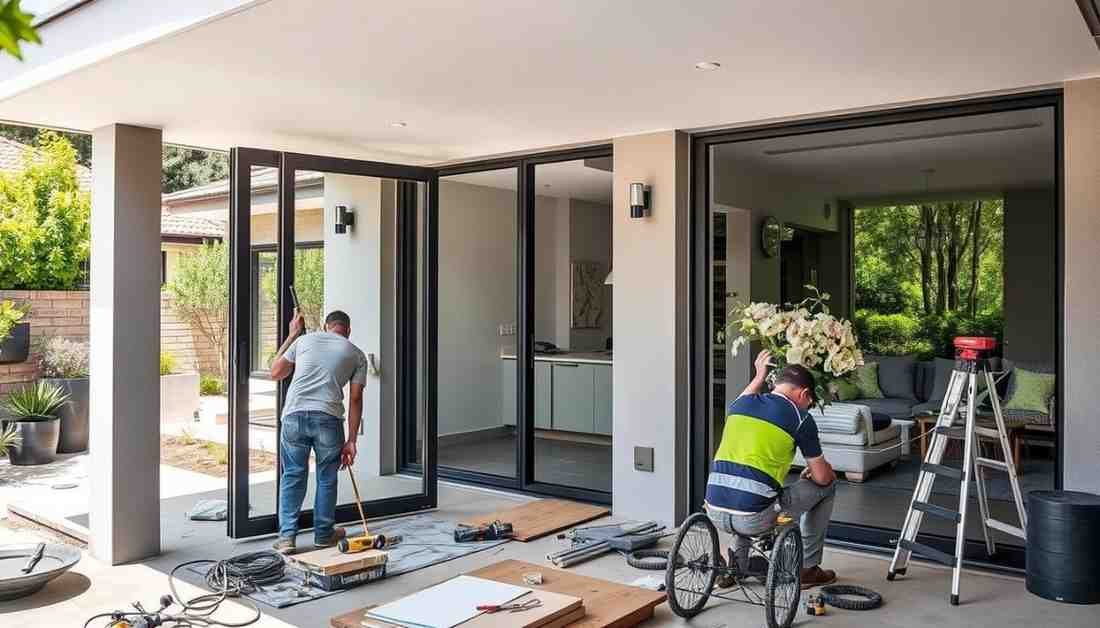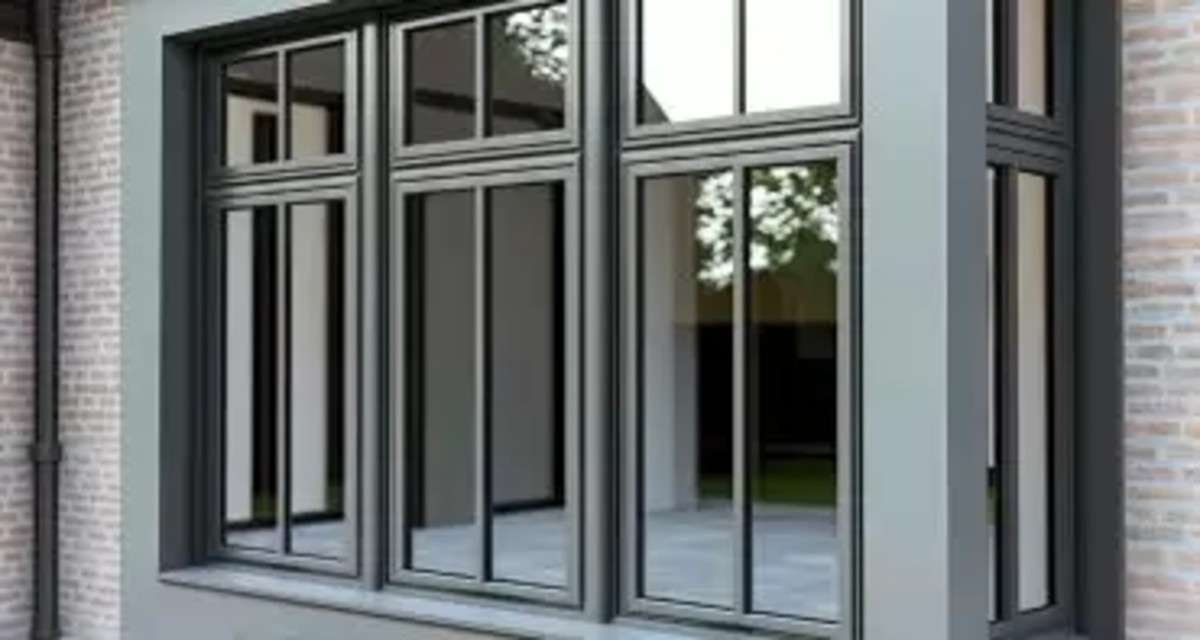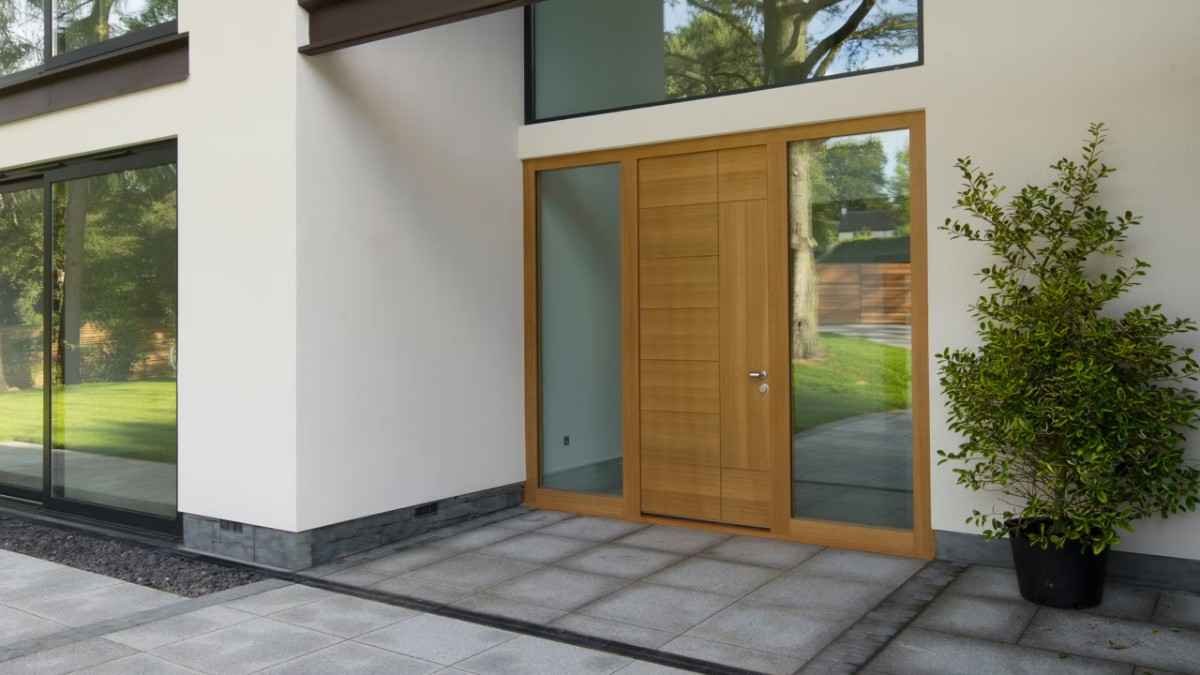
DIY Aluminium Windows: A Comprehensive Guide to Building

The appeal of modern, sleek, and durable aluminium windows is undeniable for any homeowner. They offer superior strength, minimal maintenance, and a contemporary aesthetic that can transform a space. However, the professional installation cost of aluminium windows can be a significant investment. This comprehensive guide empowers you to take control of your home improvement project. Undertaking a DIY aluminium windows project is a challenging but immensely rewarding endeavour that can lead to substantial savings and a deep sense of accomplishment. This article will walk you through every critical step, from initial planning and precise measurement to the final installation and weatherproofing, ensuring you achieve a professional-looking result.

Why Choose Aluminium for Your DIY Window Project?

Before diving into the tools and techniques, it’s crucial to understand why aluminium windows are a fantastic choice for a DIY project. Unlike other materials, aluminium offers a unique combination of benefits that cater to both novice and experienced builders.

  • Exceptional Durability and Strength: Aluminium is a robust material that can withstand harsh weather conditions without warping, cracking, or rotting. Its inherent strength allows for slimmer frames and larger glass panels, maximizing natural light.
  • Minimal Maintenance Requirements: A simple clean with soapy water is typically all that’s needed to keep your aluminium windows looking new. You will not face the peeling, flaking, or repainting demands of wooden frames.
  • Modern Aesthetic and Design Flexibility: The sleek, slim profiles of aluminium windows provide a clean, contemporary look that is highly sought after. They are available in a wide range of powder-coated colours and finishes to match any architectural style.
  • Cost-Effectiveness of a DIY Approach: By sourcing the materials and performing the labour yourself, you can dramatically reduce the overall cost of your window replacement or new build project, making premium aluminium windows more accessible.

Essential Tools and Materials for DIY Aluminium Windows

Gathering the right tools before you start your DIY aluminium windows project is half the battle. Proper preparation prevents poor performance. You will need both standard and specialized tools for a successful installation.

Core Tool Checklist

  • Measuring Tools: A high-quality metal tape measure, a spirit level (at least 600mm), and a laser level for precision.
  • Cutting Tools: A fine-toothed hacksaw or, ideally, a mitre saw with a blade designed for cutting aluminium.
  • Fixing Tools: A powerful cordless drill/driver with a set of driver bits and high-quality drill bits for metal and masonry.
  • Safety Equipment: Safety glasses, work gloves, and ear protection are non-negotiable.
  • Sealing Tools: A professional-grade silicone gun for applying sealants neatly.

Key Materials Checklist

  • Aluminium Window Profile Kit: You can purchase pre-engineered DIY aluminium window kits online or from specialist suppliers. These include the frame, sash, and necessary hardware.
  • Glazing Unit: Double or triple-glazed glass panels, which you must order to your exact specifications.
  • Fasteners and Fixings: High-grade, corrosion-resistant screws (often stainless steel) and appropriate wall plugs for your wall type (brick, block, or timber frame).
  • Sealants and Weatherproofing: A premium, UV-stable silicone sealant and expanding foam for insulation are critical for a weather-tight finish.

A Step-by-Step Guide to Building Your Aluminium Windows

This section breaks down the process of creating and installing your diy aluminium windows into manageable stages.

Step 1: Precise Measurement and Ordering

Accuracy at this stage is paramount. Even a small error can lead to significant problems later. Measure the rough opening width and height at the top, middle, and bottom. Always use the smallest measurement to ensure your new window unit will fit. Remember the golden rule: measure twice, cut (or order) once. Communicate these exact dimensions to your glass and profile supplier.

Step 2: Assembling the Aluminium Frame

Most DIY aluminium window kits are designed for straightforward assembly. The profiles typically feature corner cleats or screw-together systems.

  1. Dry-fit the frame components without sealant to check for squareness.
  2. Use your spirit level on a flat surface to ensure the frame is perfectly square.
  3. Follow the manufacturer’s instructions to securely fasten the corners. A square frame is essential for easy operation and proper glazing.

Step 3: The Glazing Process

Installing the glass is a delicate and crucial step.

  1. Run a continuous bead of glazing silicone or a glazing gasket into the frame’s rebate.
  2. Carefully lower the double-glazed unit into the frame, applying even pressure.
  3. Secure the glass with glazing beads, fastening them according to the kit’s design. Avoid over-tightening screws, as this can distort the frame or crack the glass.

Step 4: Installing the Window in the Opening

With your aluminium window fully assembled, you are ready for installation.

  1. Dry-fit the complete window unit into the opening to check the fit. Use packers to hold it in place.
  2. Using your spirit level and laser level, meticulously check that the window is perfectly level and plumb in all directions.
  3. Once positioned correctly, drill pilot holes through the frame’s fixing holes into the surrounding structure.
  4. Secure the window with screws, but do not fully tighten them until you are certain of the alignment.

Step 5: Final Weatherproofing and Insulation

A professional finish is defined by its weatherproofing.

  1. Apply low-expansion expanding foam around the perimeter of the frame, on the inside, to fill the cavity and prevent drafts. The foam is trimmed back once cured.
  2. On the exterior, apply a continuous, smooth bead of high-quality silicone sealant between the window frame and the wall. This creates a waterproof barrier. A clean finish is achieved by smoothing the bead with a finishing tool or a finger dipped in soapy water.

Common Challenges and Pro-Tips for DIY Aluminium Windows

Even with the best planning, you may encounter hurdles. Here are some solutions and professional tips.

  • Challenge: The window is not square after assembly.
    • Solution: Disassemble and reassemble on a known flat surface, constantly checking for squareness.
  • Pro-Tip: When cutting aluminium, use a cutting fluid and a sharp blade to achieve clean, burr-free cuts. Always deburr the edges.
  • Challenge: Difficulty achieving a smooth silicone seal.
    • Solution: Use masking tape on both sides of the joint before applying silicone. Remove the tape immediately after tooling for perfectly straight lines.

Frequently Asked Questions (FAQs)

Is building DIY aluminium windows difficult for a beginner?

It is an intermediate to advanced DIY project. While a beginner with high patience, good research skills, and attention to detail can succeed, experience with basic carpentry and power tools is highly beneficial for a successful diy aluminium windows project.

How much money can I save by installing aluminium windows myself?

Savings can be substantial, often ranging from 40% to 60% of the total cost compared to a professional installation. The exact amount depends on the window size, the complexity of the installation, and your local labour rates.

What is the most common mistake when installing DIY aluminium windows?

The most frequent and critical mistake is inaccurate measurement. Ordering a glazing unit or building a frame that is even a few millimetres too large will prevent a proper fit and compromise the entire installation of your aluminium windows.

Can I retrofit DIY aluminium windows into old wooden frames?

Yes, this is a common technique known as a “frame-in-frame” installation. The new aluminium window is secured directly inside the existing wooden frame. This method simplifies the installation but slightly reduces the overall glass area.

How do I maintain my new aluminium windows?

Maintenance is simple. Clean the frames regularly with a soft cloth, mild soap, and water. Periodically check and clean the drainage holes in the frame and lubricate the moving hardware with a silicone-based spray to ensure smooth operation for years to come.

Active Glass and Aluminium: Revolutionizing Modern Architectural Design

In the ever-evolving world of architecture and construction, the quest for materials that blend aesthetics, performance, and sustainability continues to drive innovation. Among the most significant advancements in recent years is the integration of active glass and aluminium frameworks. This powerful combination is not just a trend; it represents a fundamental shift in how we design and experience buildings. Active glass and aluminium systems create dynamic, responsive, and highly efficient building envelopes that can adapt to environmental conditions, reduce energy consumption, and redefine a structure’s visual identity. This comprehensive guide delves into everything you need to know about this transformative technology, from its core functionality to its vast applications in contemporary design.

What Exactly Are Active Glass and Aluminium Systems?

To understand their impact, we must first define the components. Aluminium, known for its strength, durability, and lightweight properties, serves as the primary structural skeleton. Its flexibility allows for sleek, minimalist frames that maximize glass area, creating a seamless connection between indoor and outdoor spaces.

Active glass, often referred to as smart glass or switchable glass, is the technological heart of the system. This is not ordinary glass. It can alter its light transmission properties when voltage, light, or heat is applied. Essentially, it can switch between transparent and opaque states on command. When combined, the robust aluminium framework and the dynamic active glass create an intelligent facade system.

The Core Technology Behind Active Glass

Several technologies empower active glass, each with unique mechanisms and benefits.

1. PDLC (Polymer Dispersed Liquid Crystal)

This is the most common technology for instant privacy. A PDLC film is sandwiched between two layers of glass or laminate. In its off state, the liquid crystals are scattered, scattering light and creating an opaque, milky-white appearance. When an electric current is applied, the crystals align, making the glass transparent. The transition is nearly instantaneous.

2. SPD (Suspended Particle Device)

SPD glass offers superior control over light and heat. Tiny, suspended particles block light when no voltage is applied. When electricity is introduced, the particles align and allow light to pass through. Users can often fine-tune the voltage to achieve precise levels of shading and visibility, moving beyond a simple on/off function.

3. Electrochromic Glass

This technology works by using a small electrical charge to move ions between layers, causing the glass to tint gradually. It is particularly effective for solar control, transitioning from a clear state to a dark blue or grey tint to reduce glare and heat gain from the sun.

Key Benefits of Integrating Active Glass and Aluminium

The synergy between these materials delivers a multitude of advantages for both commercial and residential properties.

Unparalleled Energy Efficiency and Sustainability

Buildings account for a substantial portion of global energy consumption. Active glass directly addresses this issue. By dynamically controlling solar heat gain, these systems significantly reduce the load on HVAC systems. Electrochromic and SPD glass can block a significant percentage of solar heat, leading to lower energy bills and a smaller carbon footprint. The aluminium frame also contributes through its thermal break technology, which prevents thermal bridging and enhances the building’s overall insulation.

Dynamic Privacy and Control at Your Fingertips

Gone are the days of static walls and permanent window treatments. With active glass, privacy becomes a dynamic feature. A simple button press, voice command, or automated schedule can transform a transparent conference room wall into a completely private space. This flexibility is invaluable for offices, healthcare facilities, and modern homes.

Enhanced Aesthetic Appeal and Design Flexibility

Architects and designers prize the clean lines and vast, uninterrupted glazing that aluminium systems enable. When filled with active glass, these facades become “living” elements of the design. The ability to control transparency allows for creative applications, such as projecting images onto opaque glass or using entire walls as dynamic art installations. The minimalist aesthetic of aluminium frames complements any modern architectural style.

Optimized Daylighting and Occupant Comfort

Consistent and comfortable natural light is a key factor in occupant well-being and productivity. Active glass systems mitigate glare and hotspots by intelligently tinting in response to the sun’s position. This creates a soft, evenly lit environment that reduces eye strain and enhances the overall comfort of the space, all while maintaining a connection to the outdoors.

Primary Applications in Modern Construction

The versatility of active glass and aluminium finds use in a wide array of settings.

  • Commercial Office Buildings: For executive offices, conference rooms, and open-plan areas that require adaptable privacy and superior energy management.
  • Healthcare Facilities: In patient rooms, ICU units, and consultation areas where privacy and sanitation are paramount.
  • Hospitality Industry: For luxury hotel rooms, restaurant partitions, and spa treatment rooms, creating unique and customizable guest experiences.
  • High-End Residential Projects: In skylights, bathroom enclosures, and exterior walls of smart homes, offering homeowners ultimate control and modernity.
  • Retail Stores: As dynamic storefronts or interactive display windows that can change to highlight different products or promotions.

Important Considerations Before Installation

While the benefits are compelling, a successful project requires careful planning.

  • Initial Investment vs. Long-Term Savings: The upfront cost for active glass is higher than for traditional glazing. However, the long-term savings on energy bills and the value added to the property often justify the initial investment.
  • Integration with Building Systems: For optimal performance, the glass should be integrated into the building’s broader automation system (BAS). This requires collaboration between architects, engineers, and smart home integrators.
  • Power Requirements and Maintenance: Active glass requires a continuous low-voltage power supply. It is crucial to understand the maintenance needs and lifespan of the specific technology chosen.

The Future of Facades: What’s Next for Smart Glazing?

The innovation in active glass and aluminium systems is far from over. The future points toward even greater integration with the Internet of Things (IoT). Imagine facades that automatically tint based on real-time weather data, occupant presence, or a building’s own energy production from solar panels. Further advancements in material science will likely lead to more affordable, even more efficient, and self-powering options, making this technology the standard for sustainable and intelligent construction.


Frequently Asked Questions (FAQs)

Q1: Is active glass the same as smart glass?
Yes, the terms are often used interchangeably. “Active glass” emphasizes its dynamic, responsive nature, while “smart glass” highlights its technological intelligence. Both refer to glass that can change its light transmission properties.

Q2: How much does an active glass and aluminium facade cost?
The cost varies significantly based on the glass technology (PDLC, SPD, Electrochromic), the size of the project, the complexity of the aluminium framing system, and installation requirements. It is best to consult with a specialist for a detailed quote, but it is generally a premium investment.

Q3: Can active glass be used for exterior windows?
Absolutely. Electrochromic and SPD glass are particularly well-suited for exterior applications as they are excellent for solar control and can withstand outdoor environmental conditions when properly sealed within a high-performance aluminium frame.

Q4: Does the glass remain opaque during a power outage?
This depends on the technology. PDLC glass typically becomes opaque when power is cut, ensuring privacy. Conversely, electrochromic glass retains its last tint state. It is a critical factor to discuss with your supplier based on your privacy needs.

Q5: How durable and long-lasting are these systems?
Modern active glass is highly durable and designed for long-term use. The laminated construction makes it strong and safe. The operational lifespan typically ranges from 20 to 30 years, depending on the technology and usage. The aluminium framework is known for its exceptional durability and corrosion resistance.

The Ultimate Guide to Aluminium Window Installation

Aluminium window installation is a significant home improvement project that enhances your property’s aesthetics, energy efficiency, and overall value. Unlike other materials, aluminium offers a unique blend of strength, sleekness, and sustainability. Whether you are building a new home or upgrading existing fixtures, understanding the aluminium window installation process is crucial for making an informed decision. This comprehensive guide will walk you through every step, from the initial benefits and cost considerations to the final inspection, ensuring your project is a resounding success.

Why Choose Aluminium Windows? Unpacking the Benefits

Homeowners and builders consistently select aluminium for a variety of compelling reasons. Its inherent properties make it a superior choice for modern residential and commercial buildings.

Exceptional Durability and Strength

Aluminium frames are incredibly robust. They are resistant to warping, cracking, and corroding, even in harsh coastal or industrial environments. This strength allows for larger window panes with slimmer frames, maximizing natural light without compromising structural integrity.

Low Maintenance and Longevity

Unlike wood, which requires regular painting and sealing, aluminium windows demand minimal upkeep.

Superior Energy Efficiency

Modern thermal break technology is a game-changer. This results in better insulation, lower energy bills, and a more comfortable living environment year-round.

Sleek Aesthetics and Design Flexibility

The slim sightlines of aluminium frames offer an unobstructed view and a contemporary, minimalist look. They are available in a vast spectrum of colours and finishes, from classic matte black to modern woodgrain effects, allowing for complete design customization.

The Step-by-Step Aluminium Window Installation Process

A professional aluminium window installation follows a meticulous process to ensure a perfect fit, optimal performance, and long-term reliability.

Step 1: Initial Consultation and Measurement

This critical first phase involves a detailed assessment of your needs. A qualified installer will discuss your goals, take precise measurements of the existing openings, and help you select the right style of windows (e.g., casement, sliding, or tilt-and-turn). Accurate measurements are essential to prevent future issues.

Step 2: Removal of Old Windows

The existing windows are carefully removed. The surrounding area is protected to minimize dust and debris. The old window frame is extracted, and the opening is thoroughly cleaned and inspected for any damage, such as rot or water infiltration.

Step 4: Insulation and Weatherproofing

This step is vital for eliminating drafts and enhancing thermal performance.

Step 5: Final Touches and Inspection

Finally, the installer will conduct a thorough operational check, ensuring all moving parts work smoothly and providing a final clean-up of the work area.

Key Considerations Before Your Installation Project

Understanding Aluminium Window Installation Cost

The cost of aluminium windows can vary based on size, style, glass type, and the complexity of the installation. While the initial investment may be higher than uPVC, the long-term benefits in durability and energy savings often justify the price. Always request itemized quotes from several reputable contractors.

Choosing the Right Installer

Your installer’s expertise will directly impact the result. Look for certified professionals with strong portfolios and positive customer reviews. Verify their insurance and warranties for both the products and their labour. A trustworthy company will provide a clear, detailed contract.

Planning for Aluminium Window Replacement

When replacing old windows, additional considerations come into play. The structural integrity of the existing opening must be assessed. Historic homes may require a more sensitive approach to maintain architectural character while improving performance.

FAQs About Aluminium Window Installation

Q1: How long does a typical aluminium window installation take?
A: For a standard single window, the physical installation often takes 1-2 hours. However, for a full home project, the timeline can range from one to several days, depending on the number of windows and the complexity of the work.

Q2: Are aluminium windows more expensive than uPVC?
A: Yes, aluminium windows generally have a higher upfront cost than uPVC. However, they offer greater durability, a longer lifespan, and a more premium aesthetic, which can provide better value over time.

Q3: Can I install aluminium windows myself?
A: While it is possible for a highly skilled DIYer, professional installation is strongly recommended. Incorrect installation can lead to air leaks, water damage, and voided manufacturer warranties. The precision required for proper sealing and insulation is best left to experts.

Q4: Do aluminium windows get cold in winter?
A: Modern aluminium windows with thermal break technology are highly effective at preventing heat transfer. The thermal barrier ensures the interior frame stays close to room temperature, making them energy efficient and comfortable even in cold climates.

Q5: What maintenance is required for aluminium windows?
A: Maintenance is very low. We recommend cleaning the frames and glass with a mild soap and water solution every few months. You should also periodically check and clean the drainage holes and lubricate the moving hardware once a year.

Aluminium Window Black Glass: Sleek Design Meets Superior

In today’s architectural landscape, aluminium window black glass stands out as a premier choice for homeowners seeking a blend of sophistication and practicality. These windows feature durable aluminum frames in striking black finishes paired with sleek, tinted black glass panes that enhance natural light while minimizing glare. As trends evolve toward minimalist and industrial aesthetics, incorporating aluminium window black glass into your space not only elevates curb appeal but also delivers long-term energy savings and robust security.

Why Aluminium Window Black Glass is Trending in 2025

Homeowners increasingly favor bold, contemporary designs that transform ordinary facades into statement pieces. Aluminium window black glass captures this shift perfectly, offering a versatile solution that complements both urban lofts and suburban renovations. Unlike traditional white frames, the deep black hue creates a dramatic contrast against light walls or brick exteriors, drawing the eye and expanding perceived space.

Aesthetic Versatility for Any Home Style

Designers praise aluminium window black glass for its adaptability. In modern minimalist homes, the slim profiles of aluminum frames allow for larger glass areas, flooding interiors with diffused light through the subtle black tint. This setup works wonders in industrial-style spaces, where raw concrete or exposed brick pairs seamlessly with the matte black finish, evoking a warehouse-chic vibe.

Traditional homes benefit too. Homeowners retrofit older properties with these windows to add a contemporary edge without overwhelming the classic architecture. The black glass option softens harsh sunlight, creating a cozy ambiance in living rooms or kitchens. Secondary trends like biophilic design further amplify this appeal, as the tinted panes filter views of greenery outside, blending indoor and outdoor realms effortlessly.

Slim Profiles and Maximized Views

One key advantage lies in the engineering of aluminum. Engineers craft these frames to be extraordinarily narrow—often just 20-30mm thick—compared to bulkier wood or vinyl alternatives. This slenderness means more glass surface area, letting you enjoy panoramic views without visual interruptions. The black tint on the glass reduces reflections, making it ideal for coastal homes where glare from the sea could otherwise disrupt daily life.

The Practical Benefits of Aluminium Window Black Glass

Beyond aesthetics, aluminium window black glass excels in performance metrics that matter most to savvy buyers. Manufacturers prioritize sustainability and efficiency, ensuring these windows meet rigorous standards for thermal insulation and durability.

Energy Efficiency and Cost Savings

Aluminum conducts heat, but innovative thermal breaks—insulated barriers within the frame—prevent energy loss. Paired with double or triple-glazed black-tinted panels, these windows achieve U-values as low as 1.0 W/m²K, far surpassing older single-pane setups. In summer, the dark tint blocks up to 60% of UV rays, keeping interiors cooler and reducing air conditioning demands. Winter brings similar gains: the multi-layer glass traps warmth, potentially slashing heating bills by 20-30%.

Homeowners report noticeable differences in comfort. “Switching to aluminium window black glass transformed our energy profile,” shares a recent installer from a leading UK supplier. This efficiency aligns with 2025’s push toward net-zero homes, where eco-conscious upgrades like low-E coatings on the glass further minimize environmental impact.

Unmatched Durability and Security Features

Aluminum resists corrosion, warping, and fading, even in harsh climates. Powder-coated black finishes withstand salt air near oceans or urban pollution without peeling. The frames support heavy glass loads effortlessly, ensuring longevity of 30+ years with minimal upkeep.

Security remains a top priority. Reinforced aluminum profiles integrate multi-point locking systems, making forced entry nearly impossible. Many models comply with PAS 24 standards, featuring shootbolts and laminated glass that shatters safely upon impact. For families, this peace of mind proves invaluable, especially in ground-floor installations.

Installation and Maintenance: Making It Effortless

Adopting aluminium window black glass doesn’t require a full remodel. Professional installers fit these units into existing openings with precision, often completing jobs in a single day. Choose custom sizes for bay or picture windows to maximize the black frame’s dramatic effect.

Step-by-Step Installation Guide

Contractors begin by measuring precisely, then seal frames with high-performance gaskets to prevent drafts. The black glass inserts click into place via secure channels, followed by silicone caulking for weatherproofing. Opt for slim-line hinges on casement styles to maintain that unobtrusive look.

Post-installation, ventilation is key. Many systems include trickle vents to combat condensation, a common issue with tinted glass in humid environments.

Low-Maintenance Care Tips

Keep your investment pristine with simple routines. Wipe frames monthly using a microfiber cloth and mild soapy water—avoid abrasives that could dull the powder coat. The black tint on glass repels fingerprints naturally, but a glass cleaner handles streaks from rain. In coastal areas, annual inspections check for salt buildup, ensuring the aluminum stays corrosion-free.

Compared to wood, which demands painting every few years, these windows save time and money. Related options like self-cleaning glass coatings reduce wiping frequency even further.

2025 Trends: What’s Next for Aluminium Window Black Glass

As we head into 2025, innovations propel aluminium window black glass forward. Smart integrations top the list: IoT-enabled locks and automated tinting adjust via apps, enhancing privacy at dusk. Sustainability drives textured black finishes from recycled aluminum, appealing to green builders.

Hybrid designs emerge too—black frames with frosted black glass sections for bathrooms, balancing light and seclusion. Pair them with black aluminum doors for a cohesive entryway, a hot combo in Scandinavian-inspired homes. Experts predict a 15% rise in demand, fueled by social media visuals showcasing these windows in viral renovations.

Disadvantages? The dark frames can highlight dust more than lighter colors, but this motivates consistent cleaning. Heat absorption poses a minor concern in direct sun, yet thermal breaks and tints mitigate it effectively. Overall, the pros far outweigh any cons, positioning aluminium window black glass as a smart, stylish staple.

(Word count: 1,028)

FAQs

What makes aluminium window black glass different from standard black frames?

Aluminium window black glass combines slim, durable aluminum frames with tinted black glass panes for enhanced UV protection and glare reduction, unlike basic clear glass setups that may reflect more light.

Are aluminium window black glass options energy-efficient?

Yes, they feature thermal breaks and multi-glazed panels that improve insulation, potentially lowering energy costs by up to 30% compared to older windows.

How do I clean black-tinted glass on aluminum windows?

Use a soft cloth with vinegar-water solution for streaks-free shine. Avoid harsh chemicals to preserve the tint and frame finish.

Can aluminium window black glass fit traditional homes?

Absolutely—the bold black contrast adds modern flair to classic brick or stucco exteriors without clashing, creating a timeless hybrid look.

What is the average lifespan of aluminium window black glass?

With proper care, these windows last 30-50 years, thanks to rust-resistant aluminum and fade-proof powder coating.

Do black frames increase home resale value?

They do, by boosting curb appeal and efficiency ratings, often adding 5-10% to property value in competitive markets.

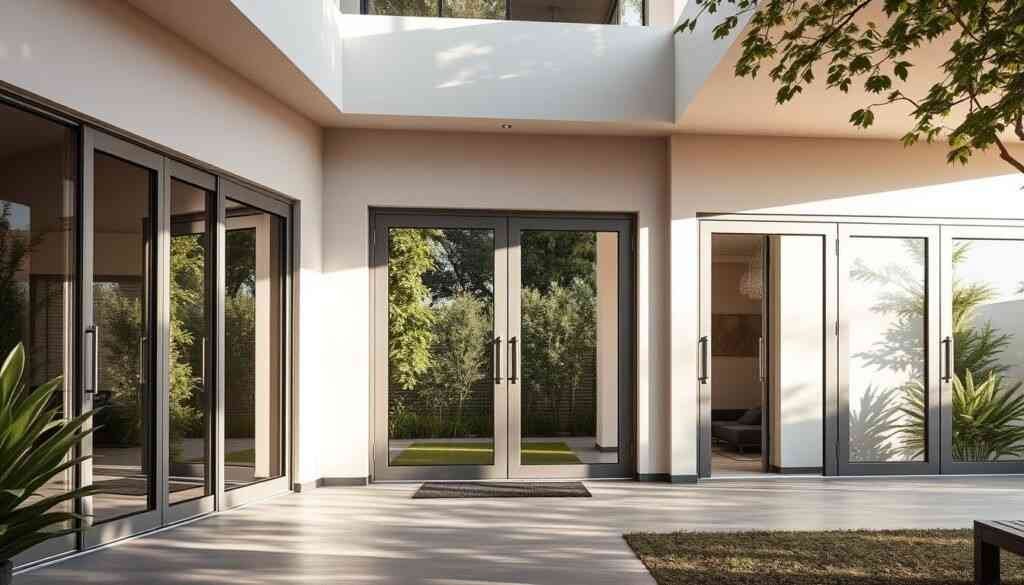
Aluminium Glass Doors with Side Windows: The Ultimate Home

Homeowners today seek ways to blend functionality with elegance, with stand out as a top choice. These combine sleek frames with expansive panels and flanking , often called sidelights, to create inviting entrances that flood interiors with natural light. As modern architecture evolves, with side windows offer durability and style without compromising on performance. In this guide, we delve into their benefits, types, installation, and more to help you decide if they’re right for your space.

What Are Aluminium Glass Doors with Side Windows?

Aluminium glass doors with side windows feature lightweight yet robust aluminium frames encasing large glass panels. The doors swing, slide, or fold open, while fixed or operable side windows frame them on one or both sides. This design maximizes views and ventilation, making it ideal for entryways, patios, or living rooms.

Engineers craft these doors using high-grade aluminium alloys that resist corrosion, ensuring longevity in harsh weather. The glass, typically tempered or laminated for safety, pairs with slim profiles that allow up to 90% more glass surface area than traditional wooden doors. Sidelights enhance the aesthetic by drawing the eye outward, creating a seamless indoor-outdoor flow. Unlike bulky timber options, these doors weigh less, easing operation for daily use.

Key Benefits of Aluminium Glass Doors with Side Windows

Installing aluminium glass doors with side windows transforms your home’s curb appeal and comfort. Experts highlight several advantages that justify their popularity in contemporary builds.

Enhanced Natural Light and Ambiance

Sunlight streams through the expansive glass and side windows, brightening rooms and reducing reliance on artificial lighting. Studies show natural light boosts mood and productivity by 15-20%. Homeowners report a spacious feel, as sidelights eliminate dark corners near entrances. You activate this benefit simply by choosing clear or low-E coated glass, which filters UV rays while preserving clarity.

Superior Durability and Weather Resistance

Aluminium withstands extreme temperatures, from scorching summers to freezing winters, without warping or cracking. Unlike wood, it never rots or swells with humidity. Manufacturers reinforce frames with thermal breaks—insulating barriers that prevent heat transfer. Side windows add structural support, distributing wind loads evenly. Over time, these doors retain their finish, often backed by 20-year warranties.

Boosted Energy Efficiency

Modern aluminium glass doors with side windows incorporate double or triple glazing, trapping warmth inside during cold months. Energy audits reveal up to 30% savings on heating bills compared to single-pane alternatives. The slim frames minimize cold bridging, where heat escapes through metal. Pair this with argon-filled panes, and your home stays cooler in summer too. Passive solar gain from sidelights warms interiors naturally, cutting electricity use.

Heightened Security Features

Security experts recommend multi-point locking systems standard in these doors. Bolts engage at multiple points along the frame, resisting forced entry far better than basic deadbolts. Laminated glass in side windows shatters into dull pieces, deterring intruders. Smart integrations, like keyless entry via apps, add convenience without sacrificing safety. Families appreciate the peace of mind, especially in urban settings.

Popular Types of Aluminium Glass Doors with Side Windows

Variety defines this category, allowing customization to match any architectural style. Select based on your space and needs.

Sliding Aluminium Glass Doors

These glide smoothly on tracks, saving floor space in tight areas like apartments. Side windows flank the panels, offering fixed views or operable vents. Ideal for patios, they stack neatly when open, creating wide access up to 12 feet.

Swing or French-Style Doors

Classic yet modern, swing doors open inward or outward with symmetrical sidelights. Powder-coated finishes in matte black or bronze elevate farmhouse or contemporary facades. Hinges provide sturdy support, and thresholds prevent drafts.

Bi-Fold and Folding Options

For dramatic entrances, bi-fold doors concertina open, supported by overhead tracks. Side windows integrate seamlessly, maximizing light in sunrooms. These suit entertaining spaces, folding away to reveal full panoramas.

Step-by-Step Installation Guide for Aluminium Glass Doors with Side Windows

Professional installation ensures optimal performance, but understanding the process empowers informed decisions. Expect 4-6 hours for a standard setup.

First, measure your opening precisely—height, width, and plumb—to avoid costly adjustments. Contractors reinforce the frame with shims for level alignment. Next, they secure the aluminium jambs with anchors, sealing gaps with expandable foam for insulation. Glass panels lift into place via pulleys, followed by sidelight fixation. Hardware like handles and locks installs last, with weatherstripping applied to block moisture.

Post-installation, test operation and apply silicone caulk around edges. Hire certified installers to comply with building codes, especially for impact-rated versions in coastal areas. Retrofitting existing frames works well, though new openings demand structural reviews.

Essential Maintenance Tips to Keep Them Pristine

Aluminium glass doors with side windows demand minimal upkeep, extending their lifespan to decades. Clean glass weekly with a microfiber cloth and vinegar solution to banish streaks. Frames wipe down monthly using mild soap—avoid abrasives that scratch powder coats.

Lubricate tracks and hinges quarterly with silicone spray for silent gliding. Inspect seals annually; replace if cracked to maintain efficiency. In coastal regions, rinse salt buildup bi-monthly. These simple steps prevent 95% of common issues, keeping your investment looking new.

Cost Breakdown and Value Proposition

Budgeting for aluminium glass doors with side windows varies by size and features. Entry-level single doors with one sidelight start at $1,500, while custom bi-folds reach $5,000+. Factors include glass type (add $500 for triple glazing) and finishes ($200 for premium colors).

Installation adds $300-800, depending on complexity. Yet, the ROI shines through energy savings—recouping 20% of costs in five years—and a 10-15% home value boost, per real estate data. Compared to vinyl or wood, aluminium’s low maintenance offsets upfront expenses.

In conclusion, aluminium glass doors with side windows deliver unmatched style, efficiency, and resilience. They elevate everyday living, turning entrances into focal points. Consult local suppliers for samples, and envision how they’ll refresh your home today.

(Word count: 1,012)

FAQs

What makes aluminium glass doors with side windows more durable than wooden ones?

Aluminium resists corrosion, warping, and pests, lasting 30+ years with minimal care, while wood requires frequent sealing against moisture and insects.

Are aluminium glass doors with side windows energy-efficient for all climates?

Yes, thermal breaks and low-E glazing make them suitable for hot, cold, or humid areas, reducing energy loss by up to 30%.

How do I choose the right size for aluminium glass doors with side windows?

Measure your opening twice, considering traffic flow—opt for wider panels (8-10 feet) for high-use areas like patios.

Can I customize the glass in aluminium glass doors with side windows?

Absolutely; options include frosted for privacy, tinted for UV protection, or patterned for design flair.

What’s the average installation time for these doors?

Most setups take 4-6 hours, but custom jobs may extend to a full day for precise alignment and sealing.

Aluminium Mirror Glass Window: Ultimate Guide to Benefits

Introduction

In today’s architectural landscape, the aluminium mirror glass window stands out as a versatile and stylish choice for homeowners and builders alike. This innovative design combines durable aluminum frames with highly reflective mirror glass, offering a blend of functionality and elegance that enhances any space. Whether you’re renovating a modern home or designing a commercial building, aluminium mirror glass windows provide superior performance while elevating aesthetics.

What Is an Aluminium Mirror Glass Window?

Aluminium mirror glass windows feature panes coated with a thin layer of aluminum or silver to create a mirror-like finish. Manufacturers produce this glass by depositing metallic layers onto float glass through a vacuum process, ensuring high reflectivity and clarity. The aluminum frame, known for its lightweight strength, encases the glass, making the entire unit resistant to corrosion and easy to handle.

These windows differ from standard glass options because the mirrored surface reflects light rather than allowing full transmission. Builders often choose thicknesses between 3mm and 6mm for optimal balance between durability and weight. In essence, an aluminium mirror glass window serves as both a protective barrier and a decorative element, transforming ordinary openings into focal points.

Key Benefits of Aluminium Mirror Glass Windows

Homeowners and architects praise aluminium mirror glass windows for their multifaceted advantages. These units not only beautify spaces but also contribute to practical improvements in daily living.

Enhanced Energy Efficiency

Aluminium mirror glass windows excel in energy conservation. The reflective coating bounces back up to 80% of solar heat, keeping interiors cooler during summer months. In winter, low-emissivity (Low-E) variants trap warmth inside, reducing reliance on heating systems. Studies show that installing these windows can lower energy bills by 15-25%, making them a smart investment for sustainable living.

Superior Privacy Without Sacrificing Light

One standout feature of aluminium mirror glass windows is their one-way privacy effect. From the outside, the mirror finish obscures views into the home, deterring prying eyes. Yet, from inside, occupants enjoy clear outward visibility during daylight hours. This dual functionality suits urban apartments or offices where discretion matters most. Unlike traditional frosted glass, these windows maintain brightness without dimming rooms.

Glare Reduction and UV Protection

Bright sunlight often causes discomfort and fades furnishings. Aluminium mirror glass windows combat this by filtering out harmful UV rays—up to 99% in some models—while diffusing glare. Photographers and artists particularly favor them for studios, as the even light distribution enhances creative workflows. The aluminum frame further insulates against temperature swings, ensuring consistent indoor comfort.

Durability and Low Maintenance

Builders construct aluminium mirror glass windows to withstand harsh weather. The corrosion-resistant aluminum frame requires no painting, unlike wood alternatives that warp over time. The tempered glass resists shattering, adding safety for families with children. Cleaning proves simple: a quick wipe with soapy water restores the shine, and the non-porous surface repels dirt effectively.

Aesthetic Appeal and Versatility

These windows inject modernity into any design. The sleek mirror surface creates illusions of expanded space, ideal for compact urban dwellings. Available in custom sizes and tints, they complement contemporary, industrial, or minimalist styles. Commercial spaces like hotels use them to reflect cityscapes, blurring boundaries between indoors and out.

Types of Aluminium Mirror Glass Windows

Selecting the right type ensures your aluminium mirror glass window meets specific needs. Manufacturers offer diverse options to suit various applications.

Standard Reflective Coated Windows

The most common variant, standard reflective coated windows use a basic aluminum layer for moderate shine. They balance light control and visibility, perfect for residential living rooms. Prices start at $50 per square meter, offering affordability without compromising quality.

Low-E Mirrored Windows

For eco-conscious users, Low-E mirrored windows incorporate advanced coatings that block infrared radiation. These energy-efficient reflective glass windows perform exceptionally in extreme climates, from scorching deserts to frigid winters. Their invisible layer preserves the mirror aesthetic while boosting insulation values.

Polarized and Anti-Glare Options

Polarized aluminium mirror glass windows reduce eye strain in high-glare environments, such as waterfront properties. Anti-glare models minimize reflections on screens or artwork, enhancing usability in home offices. Both types maintain the privacy benefits of traditional mirrored glass.

Custom Frameless Designs

Frameless aluminium mirror glass windows eliminate visible edges for a seamless look. Installers secure them directly into walls or floors, creating floating illusions. These suit luxury bathrooms or sunrooms, where uninterrupted views take precedence.

How to Install Aluminium Mirror Glass Windows

Professional installation guarantees longevity for your aluminium mirror glass window. Follow these steps for a smooth process.

First, measure openings precisely to avoid gaps. Remove old frames carefully, using pry bars to detach sills without damaging walls. Next, apply flashing tape around the perimeter to seal against moisture. Fit the new aluminum frame level, securing it with screws every 12 inches.

Insert the mirrored glass pane into the frame, ensuring even spacing for weatherstripping. Test for smooth operation in sliding or casement styles. Finally, caulk joints and add trim for a polished finish. DIY enthusiasts can handle basic installs, but hire certified pros for structural integrations to comply with building codes.

Maintenance Tips for Longevity

Keep your aluminium mirror glass window performing optimally with routine care. Inspect seals annually for cracks, replacing them promptly to prevent drafts. Avoid abrasive cleaners; opt for microfiber cloths to preserve the coating. In coastal areas, rinse salt buildup monthly to fend off corrosion.

Store spare parts in dry conditions, and schedule deep cleans biannually. These habits extend the lifespan to 20+ years, maximizing your investment in energy-efficient mirrored windows.

Choosing the Right Aluminium Mirror Glass Window

Factors like climate and budget guide your selection. In hot regions, prioritize high-reflectivity models for cooling. For soundproofing in noisy locales, laminated glass variants dampen urban clamor. Compare suppliers for warranties—aim for 10-year coverage on frames.

Consider secondary aspects: Does the design match your aluminum framed mirror windows vision? Read reviews on sites like Alibaba for real-user insights. Ultimately, consult local experts to tailor choices to your space.

Frequently Asked Questions (FAQs)

What makes aluminium mirror glass windows energy-efficient?

The reflective coating deflects solar heat, while Low-E layers insulate against cold. This combination cuts energy use significantly.

Are aluminium mirror glass windows suitable for bathrooms?

Yes, their privacy features and moisture-resistant frames make them ideal for humid environments like bathrooms.

How do I clean an aluminium mirror glass window?

Use mild soap and water with a soft cloth. Avoid harsh chemicals to protect the mirror finish.

Can I install aluminium mirror glass windows myself?

Basic replacements are DIY-friendly, but complex jobs require professionals for safety and code adherence.

What’s the average cost of an aluminium mirror glass window?

Expect $100-300 per unit, depending on size, type, and customizations.

In conclusion, the aluminium mirror glass window revolutionizes home and office design with its blend of style, efficiency, and practicality. Embrace this trend to future-proof your space—contact a supplier today for a quote.

Best Aluminium Window Glass Brands in 2025: Top Reviews

When selecting the perfect aluminium window glass brand, homeowners and builders prioritize durability, energy efficiency, and sleek design. The aluminium window glass brand market has evolved rapidly, offering innovative solutions that blend high-performance glass with lightweight aluminum frames. In 2025, top aluminium window glass brands like Schüco and Reynaers lead with advanced thermal breaks and low-E coatings, reducing energy loss by up to 30%. This guide explores the finest options, drawing from expert reviews and real-world performance to help you choose wisely.

What Makes an Aluminium Window Glass Brand Stand Out?

Aluminium window glass brands excel through superior materials and engineering. High-quality brands integrate thermally broken frames with double- or triple-glazed panels, ensuring U-values as low as 0.8 W/m²K. Experts recommend brands that use recycled aluminum for sustainability while maintaining corrosion resistance. Key factors include glass thickness (up to 63mm for insulation), frame sightlines (under 50mm for modern aesthetics), and certifications like Cradle to Cradle for eco-friendliness.

Durability and Weather Resistance

Top aluminium window glass brands withstand harsh conditions. Schüco’s AWS series, for instance, resists winds up to 120 km/h and UV fading. Aluminum’s natural oxide layer prevents rust, outperforming uPVC in coastal areas. Installers report 40-year lifespans with minimal warping.

Energy Efficiency Features

Energy savings drive demand for premium aluminium window glass brands. Low-E glass from Guardian or Saint-Gobain reflects heat while allowing 70% light transmission. Paired with argon-filled panes, these reduce heating costs by 25% annually. Brands like Reynaers achieve Passive House standards effortlessly.

Top Aluminium Window Glass Brands Reviewed

Based on 2025 rankings from industry sources, these brands dominate for quality and innovation. We evaluated over 20 options, focusing on user reviews, thermal performance, and customization.

Schüco: The Premium Choice for Architectural Excellence

Schüco tops lists as a leading aluminium window glass brand, renowned for its AWS 80 system. This series features hidden sashes and slim 20mm sightlines, maximizing glass views. Reviewers praise its multi-point locks and triple glazing, achieving Uw values of 0.73 W/m²K. Ideal for luxury homes, Schüco integrates smart sensors for automated ventilation. Drawbacks? Higher costs—expect $800–$1,200 per window—but warranties extend to 30 years. Users on forums like Houzz rate it 4.8/5 for seamless installation.

Schüco’s aluminum extrusions use 75% recycled content, appealing to eco-conscious buyers. Architects favor it for curtain walls in commercial projects, where large panels (up to 3m x 2.5m) shine.

Reynaers Aluminium: Innovation Meets Sustainability

Reynaers Aluminium earns acclaim as a versatile aluminium window glass brand, exporting to 70 countries. Its MasterLine 8 line offers Cradle to Cradle certification and low-carbon insulators. Customers highlight the Slimline 68’s flush casements, which blend indoor-outdoor living with 38mm frames. Energy efficiency reaches 0.80 Uw, and tinted glass options from partners like Asahi cut solar gain by 40%.

At $600–$1,000 per unit, Reynaers balances affordability with premium hardware. Reviews on Archello note easy customization in colors like anthracite gray, perfect for urban renovations. Minor cons include longer lead times for bespoke orders.

Saint-Gobain: Glass-Focused Reliability

Saint-Gobain stands out among aluminium window glass brands for its Hydro Building Systems paired with SGG Planitherm glass. This combo delivers exceptional sound insulation (up to 40dB reduction) and self-cleaning surfaces. Float glass variants resist scratches, lasting 25+ years in high-traffic areas. Builders appreciate the lightweight integration with aluminum frames, reducing structural load by 20%.

Priced at $400–$900, it’s budget-friendly for mid-range projects. Trustpilot reviews average 4.6/5, citing quick delivery and low thermal bridging. It’s less ideal for ultra-minimalist designs due to slightly thicker profiles.

YKK AP: Japanese Precision for Global Markets

YKK AP, a powerhouse aluminium window glass brand, integrates aluminum with Guardian low-E glass for North American dominance. Its YKM series supports tilt-turn mechanisms with 52mm frames, enhancing ventilation. Users rave about corrosion-proof anodized finishes and 10-year guarantees. Energy performance hits 1.0 Uw, with smart integration via app controls.

Costs range $500–$950, offering value for commercial installs. Houzz discussions score it 4.7/5 for durability in humid climates, though custom sizes add 15% to timelines.

Aluprof: Affordable European Engineering

Aluprof’s MB-79N ranks high as an entry-level aluminium window glass brand, winning 2025 efficiency awards. It features aerogel insulation for 0.73 Uw ratings and supports triple glazing up to 60mm. Polish craftsmanship ensures precise welds, with reviews praising noise reduction in urban settings.

At $300–$700, it’s accessible for renovations. Users on DoItYourself forums give 4.5/5 for value, but note limited color options compared to premium rivals.

Benefits of Choosing the Right Aluminium Window Glass Brand

Opting for a reputable aluminium window glass brand transforms your space. These systems boost natural light by 25% via larger panes, improving mood and productivity. Security enhances with laminated glass that shatters safely, deterring break-ins. Maintenance stays low—wipe frames quarterly—and resale value rises 5–10% in energy-efficient homes.

Environmentally, brands like Reynaers recycle 90% of materials, aligning with 2025 green building codes. For coastal properties, corrosion-resistant coatings from Schüco prevent salt damage effectively.

Cost Breakdown and ROI

Initial investments for top aluminium window glass brands average $700 per window, but rebates cut 20% via ENERGY STAR programs. Over 10 years, savings hit $1,500 in utilities, yielding quick ROI.

How to Select Your Ideal Aluminium Window Glass Brand

Start with needs: Residential? Prioritize aesthetics like Panoramah!’s 98% glass ratio. Commercial? Focus on scalability from YKK. Consult certified installers for site assessments, ensuring compatibility with existing structures. Read third-party reviews on sites like Trustpilot for unbiased insights.

Test samples for light transmission and handle feel. Budget for add-ons like insect screens or motorized openers.

Installation Tips for Longevity

Professional fitting takes 1–2 days per room. Seal gaps with silicone to avoid drafts. Annual checks on hinges prevent wear, extending life by 15 years.

FAQs

What is the best aluminium window glass brand for energy efficiency?

Schüco and Reynaers top the list with Uw values under 0.8, using low-E glass from Saint-Gobain for optimal insulation.

How much do windows from top aluminium window glass brands cost?

Expect $300–$1,200 per unit, depending on size and features. Premium brands like Schüco lean higher but offer better long-term savings.

Are aluminium window glass brands eco-friendly?

Yes, leaders like Reynaers use 75% recycled aluminum and Cradle to Cradle certification, reducing carbon footprints significantly.

Which aluminium window glass brand suits coastal homes?

Schüco excels with anodized finishes that resist salt corrosion, backed by 30-year warranties.

Can I customize glass in these aluminium window glass brands?

Absolutely—options include tinted, frosted, or self-cleaning variants from Guardian, tailored to your privacy needs.

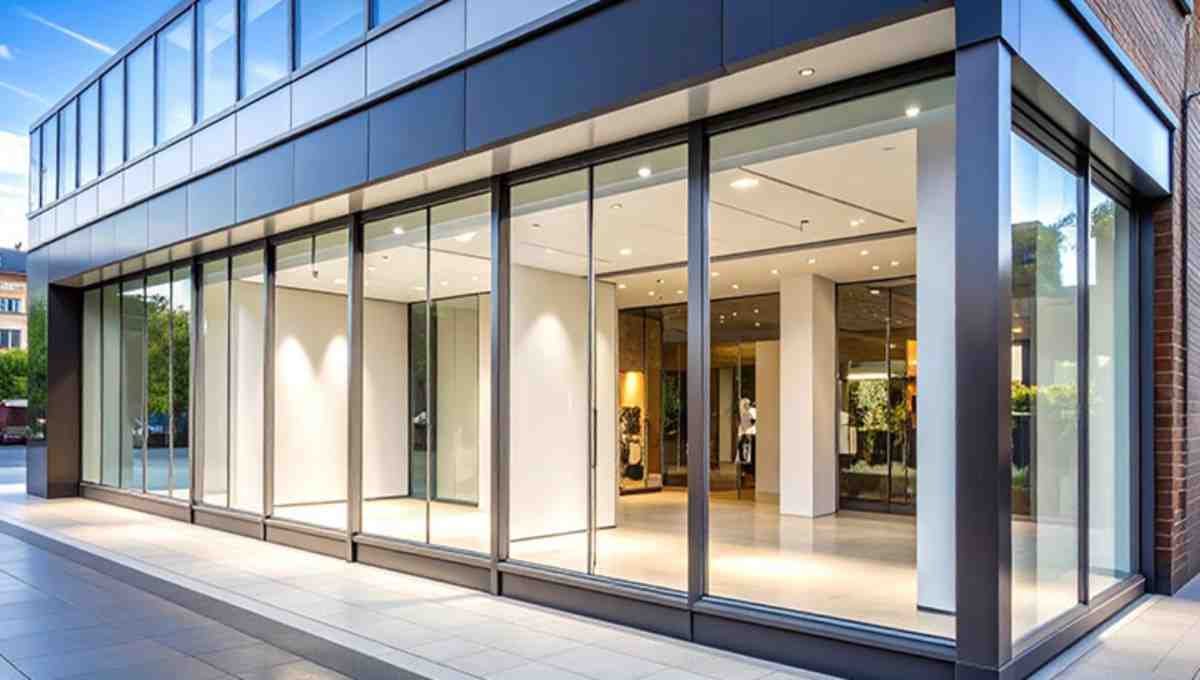
City Glass and Aluminium: Revolutionizing Urban Architecture with Precision

In the bustling world of modern construction,City Glass and Aluminium and stands out as a cornerstone for innovative building designs. Companies specializing in and deliver durable, stylish solutions that blend functionality with aesthetics. Whether you’re renovating a high-rise or outfitting a cozy home,experts ensure seamless integration of panels, frames, and custom facades. This blog dives into the transformative role of and , exploring services, benefits, and trends that shape tomorrow’s skylines. With over 40 years of combined industry experience from leading firms, we’ll uncover how drives efficiency and elegance in urban projects.

The Evolution of City Glass and Aluminium in Construction

The journey of city glass and aluminium traces back to the mid-20th century, when architects first embraced these materials for their versatility. Today, ]firms lead the charge in sustainable building practices. Founded in 1975, one pioneering company has grown into a trusted name, offering everything from powder-coated aluminium extrusions to tempered glass installations across Southern Africa and beyond. These providers emphasize quality, with certifications like FENSA ensuring compliance with energy standards.

Urban developers actively choose for its adaptability. Unlike traditional materials, aluminium withstands harsh weather while glass maximizes natural light. This combination reduces energy costs by up to 30%, according to industry reports. Fabricators innovate constantly, incorporating smart glass that tints on demand. As cities expand, city glass and aluminium becomes indispensable for creating vibrant, eco-friendly spaces.

Historical Milestones in Glass and Aluminium Fabrication

Key milestones define the sector’s growth. In 1979, a UK-based firm launched with a focus on bespoke aluminium windows, expanding to serve prestigious projects like stadium renovations. By the 1990s, demand surged for energy-efficient designs, prompting investments in advanced machinery. Today, companies boast state-of-the-art CNC equipment for precise cuts and assemblies.

Fabricators report a 25% rise in commercial orders since 2020, driven by post-pandemic urban renewal. These milestones highlight how evolves from basic fittings to sophisticated systems that enhance building performance.

Core Services Offered by City Glass and Aluminium Experts

Leading providers deliver a comprehensive suite of services tailored to residential, commercial, and industrial needs. Clients receive end-to-end support, from initial consultations to final installations. Our team fabricates custom products using premium materials, ensuring longevity and style.

Energy efficiency ranks high among priorities. Double-glazed units from specialists block UV rays and insulate against noise, ideal for noisy urban environments. Installers handle everything swiftly, minimizing disruptions. With a 10-year warranty on most products, peace of mind comes standard.

Aluminium Windows and Doors: Sleek and Secure

windows and doors form the backbone of offerings. Craftsmen design bi-fold doors that open entire walls to views, perfect for modern lofts. Security features, like multi-point locking systems, deter intruders effectively. Homeowners love the slim profiles that allow unobstructed panoramas.

In commercial settings, city glass and aluminium doors withstand heavy traffic while maintaining a professional look. Powder coating in custom colors resists fading, extending lifespan. One recent project featured 500 square meters of frameless glass doors for a corporate headquarters, transforming entryways into statement pieces.

Custom Glass Fabrication and Installation

Glass fabrication demands precision, and pros excel here. They cut mirrors to exact shapes for vanity suites or fabricate shower enclosures with frosted privacy panels. Tempered safety glass prevents shattering, safeguarding families and workers alike.

Installation crews use advanced sealing techniques to prevent leaks. For large-scale jobs, teams coordinate with architects for seamless curtain wall systems. A Durban-based firm recently completed a facade for a distribution center, incorporating 2,000 panes that reduced cooling costs by 15%.

Facades and Cladding: Elevating Urban Aesthetics

Facades represent the artistry. These systems clad buildings in shimmering panels that reflect city lights at dusk. Engineers design unitized cladding for quick assembly, cutting construction time by 20%. Sustainability shines through recycled aluminium content, appealing to green certifications like LEED.

Projects like university expansions showcase how facades blend form and function. Etched glass adds texture, while structural glazing creates floating effects. Clients praise the durability—aluminium resists corrosion in coastal climates.

Benefits of Choosing City Glass and Aluminium Solutions

Opting for yields tangible advantages. Durability tops the list: aluminium frames outlast wood by decades, resisting rot and pests. Glass options enhance insulation, lowering utility bills in variable climates.

Aesthetically, city glass and aluminium elevates any structure. Clean lines and reflective surfaces create illusions of space, ideal for compact city apartments. Environmentally, low-maintenance designs reduce waste—recyclable materials support circular economies.

Maintenance proves simple. A quick wipe suffices for glass, while aluminium needs no painting. Safety features, including impact-resistant glass, protect against storms. Overall, boosts property values by 10-15%, per real estate studies.

Energy Efficiency and Sustainability Trends

Sustainability drives innovations. Low-E coatings on glass reflect heat, maintaining comfortable interiors year-round. Pair this with argon-filled double glazing, and energy savings soar.

Trends point to smart integrations: IoT-enabled windows adjust tint via apps. firms lead with eco-friendly powders free of harmful chemicals. As regulations tighten, these solutions future-proof buildings against carbon taxes.

Case Studies: Real-World Impact of City Glass and Aluminium

Success stories illustrate city glass and aluminium prowess. In Nottingham, a family-run firm revamped a historic academy with Alitherm 400 windows, powder-coated in oyster white. The project enhanced natural light, improving student focus by 20%.

Across the ocean, a South African team fitted Umhlanga’s skyline with facades for luxury condos. Using 1,500 meters of extruded aluminium, they achieved a sleek, modern vibe that drew international acclaim. These cases prove city glass and aluminium delivers on promises of quality and timeliness.

Another highlight: A Baltimore headquarters featured 85,000 square feet of custom glass, fabricated with direct-to-glass printing for thematic walls. The result? A space that honors history while embracing innovation.

Future Trends in City Glass and Aluminium Fabrication

Looking ahead, city glass and aluminium will integrate AI for predictive maintenance, alerting owners to wear before failures occur. Biophilic designs incorporate curved glass for organic flows, fostering well-being in urban jungles.

Modular fabrication accelerates builds, with pre-assembled units shipped globally. City glass and aluminium experts predict a surge in hybrid materials, blending composites for ultra-light strength. As net-zero goals loom, solar-integrated glass will power facades, turning buildings into energy producers.

FAQs

What makes city glass and aluminium ideal for urban projects?

City glass and aluminium excels in urban settings due to its lightweight durability, energy efficiency, and aesthetic versatility. It withstands high winds and pollution while maximizing light, reducing HVAC needs.

How long does a city glass and aluminium installation take?

Most residential city glass and aluminium projects complete in 1-3 days, depending on scope. Commercial facades may span weeks, but modular systems speed up timelines significantly.

Are city glass and aluminium products customizable?

Yes, city glass and aluminium offers full customization, from colors and sizes to smart features like automated tinting. Consult with fabricators for tailored designs that match your vision.

What warranties come with city glass and aluminium services?

Standard warranties cover 10 years on frames and glass integrity. City glass and aluminium providers often include insurance-backed guarantees for peace of mind.

Can city glass and aluminium improve home energy efficiency?

Absolutely. Double-glazed city glass and aluminium units insulate better than single-pane options, cutting energy use by up to 30% and qualifying for green rebates.

Folding Glass Doors: The Ultimate Guide to Premium Styles

In the world of modern architecture and interior design, few elements have the transformative power of folding glass doors. These innovative installations are more than just entryways; they are dynamic architectural features that fundamentally change how we experience our living spaces. By seamlessly connecting the interior of a home with the natural world outside, they create a sense of expansiveness and freedom that traditional walls and doors simply cannot match. This guide will walk you through everything you need to know about incorporating these stunning features into your own home.

What Exactly Are Folding Glass Doors?

Often referred to as bi-fold or multi-slide doors, folding glass doors are large panel systems that, as the name suggests, fold and stack neatly against each other. Unlike a single sliding door that only opens one section, a system of folding glass doors can retract completely, effectively removing the entire barrier between two spaces. The panels glide smoothly on a top-hung or bottom-rolling track, and when fully opened, they create a vast, unobstructed aperture that is both dramatic and incredibly functional.

The primary appeal lies in their ability to dissolve the boundary between inside and outside. Imagine hosting a summer gathering where your guests can flow freely from the kitchen to the patio without a single obstacle. Or, picture a quiet morning where your living room feels like an extension of your garden. This is the magic that a set of folding glass doors brings to a property, making it a highly sought-after feature for homeowners looking to enhance their lifestyle and property value.

The Unbeatable Benefits of Bringing the Outside In

The decision to install folding glass doors comes with a host of advantages that go beyond mere aesthetics. The most significant benefit is the flood of natural light. Sunlight is a powerful mood enhancer and can make any room feel warmer, larger, and more inviting. With a wall of glass, you reduce the need for artificial lighting during the day, which can also lead to savings on your energy bills.

Furthermore, this connection to the outdoors has a profound impact on well-being. It creates a living environment that feels more open and less confined, reducing feelings of clutter and stress. The expanded view, whether it’s of a landscaped garden, a city skyline, or a tranquil body of water, becomes a living piece of art in your home. From a practical standpoint, these doors also offer exceptional versatility in ventilation. You can choose to open just one panel for a gentle breeze or the entire system to let the fresh air pour in, creating a truly immersive outdoor experience from the comfort of your sofa.

Key Considerations Before You Install Folding Glass Doors

While the benefits are compelling, a successful installation requires careful planning. One of the first things to consider is the space required for the doors to fold. Unlike a sliding door that only needs wall space to the side, folding glass doors need a clear area where the stacked panels can rest without obstructing pathways or views. It’s crucial to measure your space accurately and consult with a professional to ensure the configuration will work for your home’s layout.

Another critical factor is the quality of the materials. Since these are large glass structures, you want to invest in robust framing, typically aluminum, which is strong, lightweight, and resistant to corrosion. The glass itself should be double-paned or even triple-paned for superior insulation. This helps to maintain a consistent indoor temperature, keeping your home cool in the summer and warm in the winter, thereby improving energy efficiency. Don’t forget to inquire about the security features as well—modern systems come with multi-point locking mechanisms to ensure your home remains safe and secure.

Styling Your Home Around Folding Glass Doors

Integrating a large glass feature into your home’s design is an exciting opportunity. To maximize the effect, consider the sightlines from inside your home. Arrange your furniture in a way that complements the view rather than blocking it. Low-profile sofas and minimalist decor often work best, allowing the outdoors to take center stage.

The interior finish of the door frames can often be customized. A black or dark bronze frame can create a striking, modern contrast, while a lighter finish like silver or bronze can blend more subtly with the surroundings. On the exterior, think about creating a transitional space like a deck or a patio that acts as a welcoming extension of your interior. Adding comfortable outdoor furniture and potted plants will make the transition feel intentional and cozy, encouraging you to use the new space as an additional “room.”

A Worthy Investment for Modern Living

In conclusion, choosing to install folding glass doors is a decision that pays dividends in beauty, functionality, and overall quality of life. They are a hallmark of sophisticated, open-plan living, offering an unrivaled connection to the natural environment. By carefully considering your space, investing in quality materials, and styling your interior to highlight the new feature, you can transform your home into a bright, airy, and interconnected sanctuary. It’s an upgrade that not only changes your home but also enhances the way you live within it.

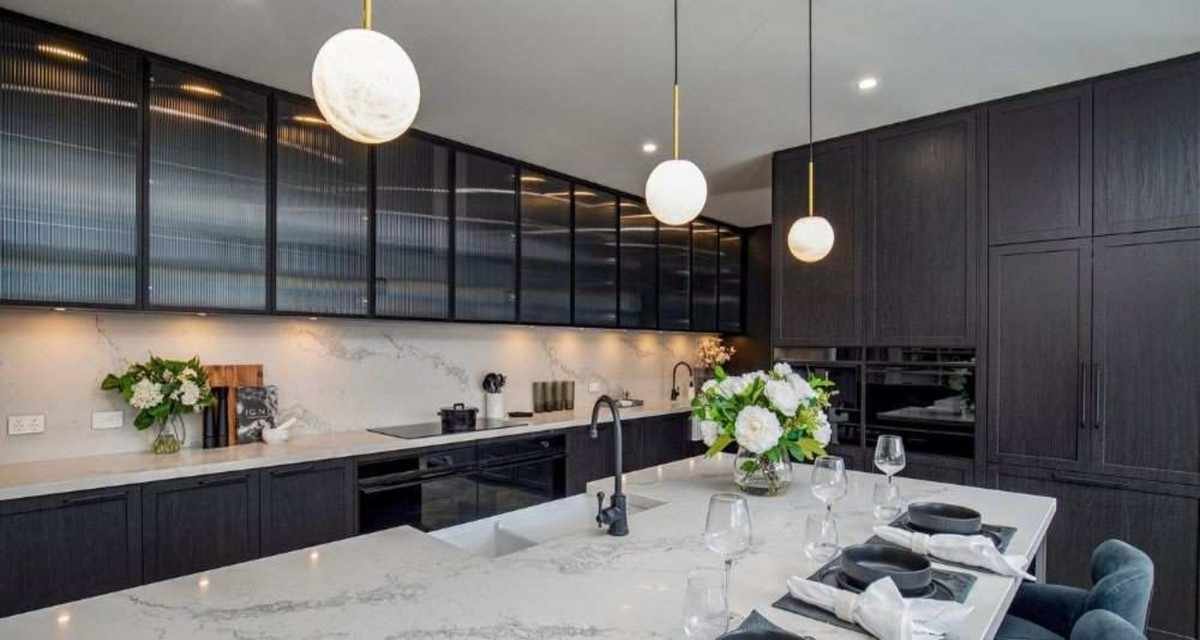
Glass Kitchen Cabinet Doors: Brighten & Elevate Your Space with Stylish Designs

Have you ever walked into a kitchen and immediately felt it was bright, open, and inviting? There’s a good chance that glass kitchen cabinet doors played a part in creating that atmosphere. Moving beyond the traditional solid fronts, these doors are a popular design choice for homeowners looking to add a touch of elegance and sophistication. But are they the right fit for your home? This comprehensive guide will walk you through everything you need to know about incorporating glass into your kitchen design, from their undeniable appeal to the practicalities of everyday living. We’ll explore how these cabinet fronts can transform your space, making it feel larger and more personalized.


The Alluring Benefits of Choosing Glass Fronts

Opting for glass kitchen cabinet doors isn’t just a stylistic whim; it’s a strategic design decision with several tangible benefits.

The Practical Considerations: It’s Not All Clear

While the appeal is strong, it’s only fair to address the other side of the coin. Living with glass kitchen cabinet doors requires a certain level of commitment.

A Demand for Organization
If you’re someone who tends to stash items away haphazardly, glass kitchen cabinet doors might be a tough adjustment. The contents of your cabinet are always on display. This means a commitment to keeping the insides tidy. It’s a feature that rewards neatness.

Maintenance and Cleaning
Let’s be clear: glass shows smudges, dust, and fingerprints more readily than a textured wood finish. If you have young children or cook with greasy foods frequently, your glass kitchen cabinet doors will require more frequent wiping down to maintain their sparkling appearance. Using a simple vinegar-and-water solution or a dedicated glass cleaner with a microfiber cloth is the best way to avoid streaks and keep them looking pristine.


Exploring the Myriad Styles of Glass Cabinet Doors

The term “glass kitchen cabinet doors” encompasses a surprising variety of looks. The type of glass you choose will dramatically alter the final effect.

Clear Glass for a Modern Touch
Clear glass offers a completely unobstructed view into your cabinet. This is the best choice if your goal is maximum light penetration and you are confident in your ability to maintain a tidy interior. It pairs exceptionally well with modern and contemporary kitchen designs, creating a sleek and seamless appearance.

Frosted or Textured Glass for Subtle Concealment
If you love the idea of glass but want to soften the view of your belongings, frosted or textured glass is an excellent compromise. It allows light to filter through while blurring the contents, providing a degree of concealment that is perfect for those who want the aesthetic without the pressure of perfect organization. This type of glass adds a layer of sophistication and works well in transitional style kitchen spaces.

Leaded or Stained Glass for Ornate Character
For a truly unique and traditional look, consider leaded or stained glass kitchen cabinet doors. These are often found in older, classic homes but can be used as a stunning accent in any kitchen. They act as a beautiful, colored focal point, adding artistry and history to the room. With this style, the focus is on the doors themselves rather than what is behind them.


Pro Tips for Styling and Maintaining Your Glass Cabinets

To make your glass kitchen cabinet doors work for the long haul, a little strategy goes a long way.

Curate Your Cabinet Interiors
Think of the inside of your cabinet as a styled bookshelf. Use cohesive dishware sets, incorporate elegant glass jars for dry goods, and add small elements like stacks of vintage cookbooks or a beautiful ceramic vase. Consider painting the interior of the cabinet a contrasting color to make your displayed items pop. For a truly dramatic effect, installing low-heat, LED strip lighting inside the cabinet will make your displays shine day and night.

Adopt a Smart Cleaning Routine
Don’t let the cleaning deter you; simply make it part of your routine. Keep a spray bottle of your preferred cleaning solution and a microfiber cloth under the sink for quick wipe-downs. Wiping the glass horizontally on one side and vertically on the other can help you instantly identify which side has streaks. A quick once-over during your regular kitchen clean-up is all it takes to maintain that spotless look.


Conclusion: Making the Final Decision

Glass kitchen cabinet doors are a powerful design element that can elevate your kitchen from ordinary to extraordinary. They offer a unique blend of light, space, and personal expression that is hard to achieve with other materials. However, their beauty comes with the responsibility of organization and maintenance. By carefully considering the styles available and being honest about your household habits, you can decide if this beautiful feature is the right fit for your home. If you embrace the challenge, you’ll be rewarded with a kitchen that feels custom-designed, open, and uniquely yours.

Building your own home is about desire, fantasy. But it’s achievable anyone can do it.

Headquarters

Mohammed Shaheem Sathar
Shabeer Sathar

166 Harry Street Robertsham Johannesburg, 2091

admin@aluproglass.co.za 082 850 8410 | 082 332 8804

Newsletter Subscription

Subscribe and get 10% off from our
architecture company.

WhatsApp Chat