Aluminium Glass Doors: Designed to Transform Your Space.

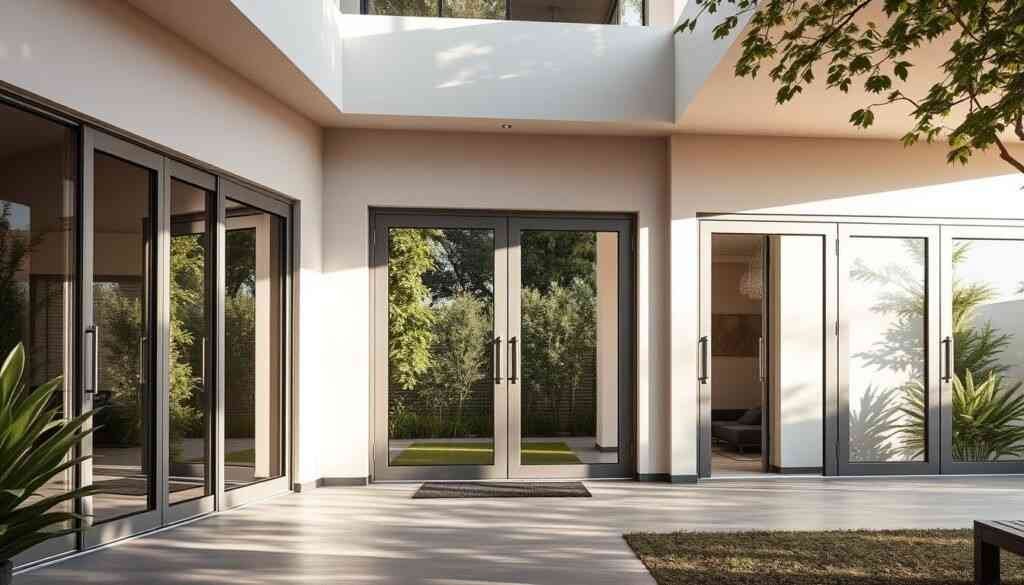
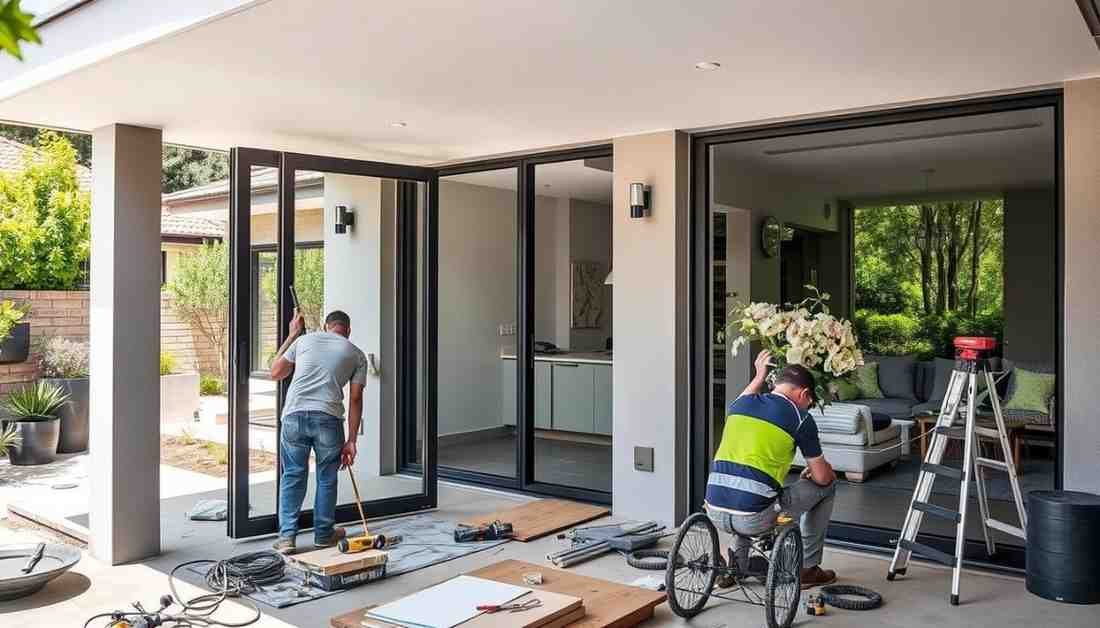
There’s a moment in every homeowner’s journey when they imagine a brighter, more connected living space. They picture a room flooded with natural light, where the boundary between the comfort of the indoors and the beauty of the outdoors simply melts away. If this sounds like your vision, then the solution might be closer than you think. The aluminium sliding glass door is more than just an entryway; it’s a design statement, a functional marvel, and a transformative element for any modern home. Let’s explore why this specific type of patio door has become such a sought-after feature and how it can redefine your experience of home Aluminium Glass Doors.

H2: Why a Sliding Glass Door Made from Aluminium is a Smart Investment

When considering a new patio door, the material and mechanism are the first things to consider. An aluminium sliding glass door brings together the best of both worlds, offering a blend of strength, style, and practicality that is hard to beat Aluminium Glass Doors.

First and foremost, this type of modern door is incredibly durable. Unlike other materials that can warp, rot, or rust over time, aluminium is built to last. It stands strong against harsh weather, from scorching summer sun to heavy rain, without losing its structural integrity or appearance. This inherent strength means your investment is protected for years to come Aluminium Glass Doors.

Furthermore, the design is inherently sleek. The frames of an aluminium sliding glass door are remarkably slim, allowing for maximum glass area. This creates an unobstructed, panoramic view that makes any room feel larger and more open. It’s this clean, minimalist look that makes it the quintessential modern door for contemporary architecture. The smooth sliding mechanism is another huge advantage, especially for smaller spaces. This space-saving quality makes it an ideal patio door for balconies and smaller yards Aluminium Glass Doors.

H2: More Than Just Looks: The Functional Brilliance of Your New Door

durable door needs to be more than just strong; it needs to be intelligent.

Let’s talk about energy efficiency. Today’s options often include something called a “thermal break”—a barrier within the aluminium frame that prevents outdoor temperatures from transferring inside. When paired with double-paned glass, your new patio door will help keep your home cooler in the summer and warmer in the winter, leading to lower energy bills. This makes a sliding glass door a smart choice for both your comfort and your wallet.

Security is, rightly, a top concern for any homeowner. A high-quality aluminium sliding glass door comes equipped with robust multi-point locking systems. These locks secure the door at several points along the frame, making it exceptionally difficult to force open.

H2: Finding the Perfect Fit: Styles and Customization

The beauty of choosing an aluminium sliding glass door lies in its versatility.

The most common configuration is the two-panel system, where one panel slides horizontally past the other. However, for larger openings, you can opt for multi-slide or even folding door systems that stack panels neatly to the side, effectively turning an entire wall into an opening. This flexibility ensures there is a modern door solution for almost any architectural design.

When it comes to aesthetics, the options are nearly endless. The aluminium frames can be finished in a wide array of powder-coated colors. Whether you prefer a classic Black to make a bold statement, a sleek Silver to blend seamlessly, or even a warm Wood-effect finish, you can find a look that complements your home’s exterior and interior decor. This ability to customize makes each sliding glass door a unique feature.

H2: Ideal Placements for Your Aluminium Sliding Glass Door

While the name patio door suggests its most common use, the application for this modern door extends far beyond just the patio.

  • The Classic Patio or Deck Access: This is the most popular and impactful placement. Replacing an old, bulky door with a sleek aluminium sliding glass door instantly modernizes your home’s connection to the backyard, making entertaining and daily living a seamless experience.
  • Balcony Access in Apartments: For city dwellers or anyone with a balcony, this door is a game-changer. It saves crucial interior space and floods the living area with light, making a compact apartment feel much more spacious and connected to the outside world.
  • Garden Rooms and Sunrooms: If you have a sunroom or a room that looks onto a beautiful garden, this door acts as a moving wall, enhancing the feeling of being in nature without sacrificing the comfort of being indoors.

H2: Caring for Your Modern Masterpiece

One of the most appealing aspects of an aluminium sliding glass door is its remarkably low maintenance. Keeping your durable door looking and functioning like new is simple. A periodic wipe-down of the frame with a soft cloth and mild soapy water is all it takes to remove dust and grime. The tracks should be kept clean and free of debris to ensure smooth operation; a quick vacuum and wipe every few months will suffice. The glass can be cleaned with any standard, non-abrasive glass cleaner. This minimal upkeep is a key reason why so many busy homeowners choose this modern door solution.

Conclusion: A Clear Upgrade for Your Living Space

Choosing to install an aluminium sliding glass door is a decision you will appreciate every single day. It is an investment that pays dividends in natural light, seamless indoor-outdoor flow, enhanced security, and timeless style. It’s more than just a passageway; it’s a feature that redefines a room, making it feel brighter, larger, and more connected to the world outside. If you are ready to elevate your home with a durable, beautiful, and highly functional modern door, the path forward is clear.

Frameless Glass Stacking Doors Prices:Cost Guide & Buyer’s

Imagine stepping into a living space where the boundary between your indoor comfort and the beauty of the outdoors simply vanishes. This is the magic of frameless glass stacking doors. They create a seamless flow, flood your home with natural light, and offer unobstructed views that can transform any room. However, when considering this stunning upgrade for your home or balcony, the first question that naturally arises is about the cost. Understanding frameless glass stacking doors prices can feel complex, as the final number isn’t a single sticker price but a reflection of your unique vision and project specifics.

We’ll break down the key factors that influence the final cost, provide a clear picture of current market prices, and help you understand what you’re paying for, ensuring you can make a confident decision for your home.

  • Scale and Design: The Size of Your Opening
    The most significant factor is the size of the opening you want to fill.  A larger opening requires more panels, a more robust track system, and often thicker glass to maintain stability. A standard doorway will be at one end of the spectrum, while a sprawling wall-to-wall installation or a wide balcony door will command a higher overall project cost. Custom shapes or oversized panels also add to the complexity and price.
  • The Heart of the System: Glass Type and Quality
    Not all glass is created equal. The type of glass you select is a major component of frameless glass stacking doors prices.
    • Tempered vs. Laminated: All glass used must be safety tempered. Laminated glass, which consists of two panes bonded together, offers enhanced security, sound insulation, and safety as it holds together if shattered.
    • Low-E Coatings: A low-emissivity coating is a nearly invisible layer that reflects heat. It keeps your home warmer in winter and cooler in summer, boosting energy efficiency. This upgrade adds to the initial cost but can lead to significant savings on utility bills.
    • Thickness: For taller or wider panels, a greater glass thickness (e.g., 12mm instead of 10mm) is necessary to prevent wobbling and ensure smooth operation, which increases the cost.
  • The Unsung Hero: Hardware and Track System
    The elegance of frameless glass stacking doors lies in their minimalistic hardware. High-quality, corrosion-resistant stainless steel tracks and rollers are non-negotiable for long-term, smooth operation. The quality of this hardware is a critical factor in the overall investment and durability of the system.

Frameless Glass Stacking Doors Price Ranges: What Can You Expect?

While an old price list 2019 you might find online can give a historical baseline, it’s crucial to look at current market figures due to changes in manufacturing, supply chains, and demand. It’s important to remember that these are estimated ranges for a fully installed system, and your specific project will vary.

For a standard residential installation, you can generally expect a starting point. A smaller installation, such as a standard balcony door size, might fall into a lower price bracket. However, for a more significant opening, such as a 12 to 16-foot-wide space, the investment typically ranges between $15,000 and $30,000. For large, luxury-grade installations spanning 20 feet or more, with high-performance glass and motorization, the project prices can range from $35,000 to $60,000 and beyond.

The best way to get an accurate cost is to obtain detailed quotes from reputable installers in your area. They will assess your specific opening, structural needs, and product selections to provide a precise figure.

Looking Beyond the Initial Investment

When evaluating frameless glass stacking doors prices, it’s wise to consider the long-term value and potential additional costs. Unlike a simple price list 2019 might suggest, the full picture includes more than just the door system itself.

Optional Upgrades:

  • Motorization: Adding a smart, motorized system for effortless opening and closing at the touch of a button is a popular luxury upgrade.
  • Integrated Screens: To enjoy fresh air without insects, seamless retractable screens can be incorporated.
  • Custom Finishes: While the glass is frameless, the slim profile tracks and handles come in various finishes like black, bronze, or brushed nickel, which can sometimes be a custom-order item.

Long-Term Value:
This investment does more than just beautify your home. It enhances your quality of life by connecting you with nature. Furthermore, it is an upgrade that significantly increases the resale value of your property. The combination of aesthetic appeal, improved energy efficiency (with the right glass), and the creation of a desirable indoor-outdoor living space offers a strong return on investment.

Frequently Asked Questions

Q1: How do frameless stacking doors compare to bifold doors in cost?
Generally, high-quality frameless glass stacking doors are a premium product compared to many standard bifold door systems. The cost difference comes from the more complex engineering of the hidden or minimal track system and the thicker, often larger, glass panels that must be completely self-supporting.

Q2: Can I use a old price list 2019 to budget for my project today?
While an old price list 2019 can offer a very rough historical reference, it is not reliable for current budgeting. Material costs, manufacturing techniques, and market demand have evolved since then. For an accurate and up-to-date budget, it is essential to seek contemporary quotes.

Q3: Is professional installation necessary?
Absolutely. The installation of these heavy glass systems is highly specialized. It requires precise structural assessment, expert handling to avoid breakage, and perfect alignment to ensure the doors stack and operate smoothly. DIY installation is not recommended and could void warranties and lead to costly problems.

Making an Informed Decision

Navigating frameless glass stacking doors prices is about understanding the value behind the number. It’s an investment in custom craftsmanship, high-performance materials, and a transformative design that redefines your living space. By focusing on the factors that matter most—size, glass quality, and hardware—you can move forward with confidence. The best next step is to consult with a trusted professional who can provide a detailed, personalized quote to turn your vision of a seamless home into a stunning reality.

Flat Champagne Glasses: Your Guide to Elegant Coupes, Vintage

There’s something undeniably glamorous about a champagne saucer. That iconic, wide-brimmed glass, often seen in the hands of flappers in old movies or at a sophisticated wedding toast, is making a major comeback. But what exactly are these flat champagne glasses, and why are they suddenly back in vogue? Often called coupe glasses, these vessels are more than just a pretty face; they are a statement of style with a rich history and surprising versatility. If you’ve ever found yourself in the great champagne coupe vs flute debate, you’re in the right place. Let’s dive into the world of these elegant glasses and discover why they deserve a spot in your cabinet.

What Exactly Are Coupe Glasses?

Let’s start with the basics. When people refer to flat champagne glasses, they are almost always talking about the champagne saucer, more formally known as coupe glasses. The design is simple yet striking: a shallow, broad, and distinctly rounded bowl perched upon a slender stem. This stem isn’t just for show; it serves the practical purpose of keeping your hands from warming the chilled beverage within.

For centuries, a charming legend surrounded their origin, claiming the shape was molded from the breast of the French queen Marie Antoinette. While it’s a delightful story, historians have largely debunked it. The truth is, the design originated in England in the 17th century, initially used for sherry and dessert wines before becoming synonymous with sparkling wine. Despite the myth’s falsehood, the association with royalty and opulence has stuck, forever linking these coupe glasses with celebration and high style.

A Sip of History: The Rise, Fall, and Return of the Champagne Saucer

To understand the champagne saucer, you have to appreciate its journey. After its inception, the glass reached the peak of its popularity during the Roaring Twenties and the Art Deco era. Its wide, open surface was perfect for the extravagant champagne cocktails of the time and complemented the sleek, geometric aesthetics of the period. Picture a jazz-age party, with guests clad in fringes and feathers, all clinking these elegant, broad flat champagne glasses.

However, as tastes evolved, so did glassware. The mid-20th century saw the rise of the tall, slender champagne flute. The primary reason? Science. The flute’s design helps preserve the bubbles and carbonation for much longer by minimizing the surface area exposed to air. For a time, it seemed the champagne saucer was destined to become a mere relic, a beautiful but impractical antique. Yet, style is cyclical. Today, there’s a renewed appreciation for vintage aesthetics and a more nuanced understanding of how glassware affects taste, leading to a triumphant return for the classic coupe glasses.

The Great Debate: Champagne Coupe vs Flute

This is the central question for many wine and cocktail enthusiasts. Which is truly better? The answer isn’t straightforward, as it depends on what you value most in your drinking experience. The champagne coupe vs flute discussion boils down to a trade-off: aroma and style versus bubble preservation.

Let’s break down the pros of the champagne saucer:

  • Superior Aroma: The wide bowl allows for a greater surface area, which lets the complex aromatics of the champagne—or any other drink—blossom fully. Your nose plays a huge part in taste, and with a coupe, you get a much more fragrant experience.
  • Unmatched Style: There’s no denying it; coupe glasses are visually stunning. They add an instant touch of vintage glamour and sophistication to any setting, from a formal dinner to a casual brunch.
  • Ultimate Versatility: This is where the flat champagne glass truly shines. Its shape is not just for champagne. It’s the perfect vessel for a huge range of cocktails, from a classic Manhattan to a zesty Daiquiri.

On the other hand, the flute has its own advantage:

  • Long-Lasting Bubbles: The tall, narrow design of a flute is engineered to keep your bubbly effervescent for a longer period, showcasing a continuous stream of rising bubbles.

So, in the champagne coupe vs flute standoff, the coupe wins on style, aroma, and versatility, while the flute is the champion of carbonation.

Beyond the Bubbly: Modern Uses for Your Coupe Glasses

Thinking of investing in a set of coupe glasses? Your options extend far beyond just serving champagne. Their versatile design makes them a workhorse for any home bar enthusiast.

1. The Cocktail King:
The champagne saucer is the original vessel for many classic cocktails. Its wide rim is ideal for garnishes and its broad surface is perfect for the aromatic components of a drink. They are the traditional choice for:

  • The French 75: A potent mix of gin, lemon juice, sugar, and champagne.
  • The Bellini: A delightful blend of Prosecco and peach puree.
  • The Champagne Cocktail: Where a sugar cube soaked in bitters meets champagne.

2. A New Home for Spirit-Forward Classics:
Don’t hesitate to pour a straight spirit or a stirred cocktail into your coupe glasses. A well-chilled Martini or a robust Manhattan looks and feels incredibly elegant in a coupe, offering a different sensory experience than a typical Nick and Nora or rocks glass.

3. Dessert in Style:
The uses don’t stop at liquids! The sturdy, shallow bowl of these flat champagne glasses makes them perfect for serving elegant desserts. Think parfaits, sorbets, mousses, or even a sophisticated scoop of ice cream. It’s a simple way to elevate any sweet course.

Choosing and Caring for Your Vintage-Modern Staples

When selecting your coupe glasses, consider material and size. Crystal offers brilliant clarity and a delicate ring, but sturdy glass is perfect for daily use. Opt for a moderate size, around 5 to 7 ounces, to ensure a balanced pour that doesn’t look lost in the glass or overflow too easily.

Care is simple but important. To maintain their sparkle and prevent damage to the delicate rim, always handwash your coupe glasses with warm, soapy water. Avoid the dishwasher, as harsh detergents can cloud the glass over time.

In conclusion, the flat champagne glass is far more than a historical artifact. It is a testament to timeless design, a versatile tool for the modern host, and a beautiful way to savor life’s celebratory moments. So, the next time you’re planning a toast, consider reaching for a elegant champagne saucer. You’ll not only be serving a drink; you’ll be serving a piece of history, style, and unparalleled aroma.

Flat Glass Guide: Types, Uses & Benefits of Tempered

Look around you. From the window that frames the outside world to the screen of your smartphone, a remarkable material is almost always in your line of sight. This material is flat glass. It’s so seamlessly integrated into our daily lives that we often take it for granted. But have you ever stopped to wonder about the different types of this transparent marvel and their specific uses? This article will pull back the curtain on this essential material, exploring its manufacturing, its key varieties like tempered glass and laminated glass, and the critical roles they play in keeping us safe, comfortable, and connected flat glasflat glas.

The Foundation: How Most Flat Glass is Born

Before we dive into the specialized types, it’s important to understand the foundation. The vast majority of the flat glass we encounter today is created through a brilliant invention called the float process. Developed in the 1950s, this method involves melting raw materials like silica sand at extremely high temperatures until they become a molten liquid. This liquid is then poured onto a bath of molten tin. Since glass is lighter than tin, it “floats” on the surface, spreading out to form a perfectly smooth, level sheet with parallel surfaces. The glass is then cooled slowly in an annealing lehr to relieve internal stresses. This process creates what is known as annealed glass, the clear, pristine base material that is then transformed for its many uses. This base flat glass is strong enough for many applications, but when safety and performance are needed, it undergoes further processing flat glas.

Tempered Glass: The Guardian of Safety

When strength and safety are non-negotiable, tempered glass is the go-to choice. So, what exactly is it? Tempered glass is a type of safety glass processed by controlled thermal treatments. The annealed flat glass is heated to over 600 degrees Celsius and then cooled very rapidly in a “quenching” process. This treatment creates high surface and edge compression, which is what gives the glass its incredible strength flat glas.

Why Choose Tempered Glass?

  • Exceptional Strength: It is typically four to five times stronger than annealed flat glass of the same thickness. This makes it highly resistant to impacts and thermal stress.
  • Safe Breakage: This is its most crucial feature. When it does break, it doesn’t shatter into sharp, jagged shards. Instead, it crumbles into small, granular, cube-like pieces that are far less likely to cause serious injury. This characteristic is why it’s officially classified as a safety glass.

Because of these properties, the uses for tempered glass are extensive. You’ll find it in the side and rear windows of your car, in shower doors and enclosures, as glass tabletops, in patio furniture, and as full-length glass doors in offices and homes. Building codes often mandate its uses in areas where human impact is a possibility flat glas.

Laminated Glass: The Versatile Protector

While tempered glass is designed for strength, laminated glass is engineered for security and retention. This versatile product consists of two or more layers of flat glass permanently bonded together by a tough, flexible plastic interlayer, typically made of Polyvinyl Butyral (PVB) or Ethylene-Vinyl Acetate (EVA). This sandwich structure is what gives laminated glass its unique set of benefits.

The Multifaceted Advantages of Laminated Glass

  • Safety and Security: When struck with force, the glass may crack, but the fragments adhere to the plastic interlayer. This prevents the glass from breaking apart and creating a hazardous opening. This makes it very difficult to break through, offering a degree of security against forced entry.
  • Sound Insulation: The plastic interlayer also acts as a sound dampener. The uses of laminated glass are highly recommended for buildings in noisy urban areas or near airports, as it significantly reduces outside noise pollution.
  • UV Protection: Most laminated interlayers block over 99% of harmful ultraviolet rays, protecting interior furnishings, artwork, and fabrics from fading flat glas.

The most common of all laminated glass uses is, without a doubt, the windshield in every automobile. Its ability to remain in place upon impact is crucial for passenger safety. Beyond cars, its uses extend to skylights, overhead glazing, glass railings, balconies, and in stores where display security is needed flat glas.

Where We See It: The Diverse Applications of Flat Glass

The journey of flat glass from a basic sheet to a high-performance product defines modern architecture and product design. The specific uses are virtually endless, but they can be categorized into a few key areas:

  • Architectural Glazing: This is the most visible of all flat glass uses. It includes windows, doors, curtain walls that envelop skyscrapers, and interior partitions. Here, combinations are often used; an insulated glass unit might be made with one pane of tempered glass for safety and one of laminated glass for sound control.
  • Automotive Industry: Every vehicle is a masterpiece of glass engineering. The windshield is laminated glass, while the side and rear windows are typically tempered glass. This combination ensures optimal safety and performance.
  • Interior Design and Furniture: From the mirrors on our walls to the shelves in our cabinets and the tops of our coffee tables, flat glass adds a sleek, modern touch. In these uses, it is often tempered glass for durability.
  • Technology and Specialty Applications: The screen on your phone, tablet, or TV is a highly engineered form of flat glass. Solar panels also rely on specialized flat glass to protect photovoltaic cells while allowing light to pass through.

Making the Right Choice for Your Needs

Selecting the correct type of flat glass is not just a technical decision; it’s a matter of safety, comfort, and functionality. To simplify:

  • Ask yourself: Is human impact a concern? (e.g., shower doors, glass railings) -> Choose Tempered Glass.
  • Ask yourself: Are security, soundproofing, or overhead safety key? (e.g., front windows, skylights, noise-prone rooms) -> Choose Laminated Glass.
  • For standard windows where energy efficiency is the main goal, a double-paned unit using annealed glass might be sufficient, but upgrading one pane to laminated glass can add significant acoustic benefits.

Conclusion

Flat glass is far more than just a clear panel. It is a dynamic and highly engineered material that has been tailored to meet the demanding needs of modern life. From the robust reliability of tempered glass to the multifaceted protection of laminated glass, understanding these different forms allows us to make informed decisions, whether we’re building a new home, buying a car, or simply appreciating the silent, transparent guardian that makes our contemporary world possible. Its uses are a testament to human ingenuity, turning a simple sheet of sand into a cornerstone of safety, design, and innovation.

Flat Glass Roof: The Ultimate Guide to Costs, Pros & Cons

Imagine transforming a dark, enclosed room into a vibrant, sun-drenched sanctuary. Picture lying back and watching clouds drift by or counting stars from the comfort of your own living room. This isn’t a far-off dream; it’s the stunning reality a flat glass roof can create. More than just a window overhead, a flat glass roof is a bold architectural statement that redefines your living space. But is this modern marvel the right fit for your home? To answer that, we need to move beyond the initial “wow” factor and take a clear-eyed look at the practical flat glass roof pros and cons, understand what a structural glass roof entails, and get a realistic idea of the glass roof cost.

This guide will walk you through everything you need to know, helping you decide if this breathtaking feature is a worthwhile investment for you.


The Allure of Light and Space: Key Advantages

Let’s start with the positives, which are often what draw people to this idea in the first place. The benefits of a flat glass roof are transformative.

A Flood of Natural Light
There is simply no comparison between artificial light and the sun. A structural glass roof bathes your interior in a quality of light that makes spaces feel larger, more open, and incredibly inviting. It can turn a gloomy hallway into an art gallery or a cramped kitchen into a cheerful hub. This connection to the outdoors has been shown to boost mood and productivity, making your home a healthier place to live.

Unbeatable Modern Aesthetics
If you’re aiming for a sleek, contemporary, or minimalist look, a frameless glass roof is the pinnacle of modern design. It creates clean, uninterrupted lines and a sense of architectural sophistication that is hard to achieve with any other material. It’s a focal point that doesn’t shout for attention but quietly elevates the entire design of your home.

Expanding Your Living Space
A flat glass roof effectively blurs the line between inside and outside. It’s perfect for covering patios, atriums, or extensions, creating a weather-protected area that still feels open to the elements. This can make a small home feel significantly more spacious without the need for expensive physical expansions.


The Practical Realities: Important Considerations

Now, let’s balance that beautiful image with some crucial practicalities. Understanding the challenges is key to making an informed decision.

Climate and Energy Efficiency
This is one of the most significant points in the list of flat glass roof pros and cons. Glass is not a natural insulator. In summer, the sun can turn your new room into a greenhouse, and in winter, heat can escape more easily. However, this isn’t a deal-breaker. Modern technology offers fantastic solutions like double glazing and special low-emissivity (Low-E) coatings that reflect heat. When considering the glass roof cost, investing in this high-performance glass is non-negotiable for long-term comfort and energy savings.

The Structural Imperative
The term structural glass roof isn’t just for show; it’s a critical engineering concept. This is not a simple DIY skylight. The entire system must be designed by a qualified professional to bear its own weight, along with snow, wind, and even occasional foot traffic for maintenance. The integrity of your home depends on this expert installation, which is a major component of the overall glass roof cost.

Maintenance and Upkeep
While a frameless glass roof offers a stunning, unobstructed view, it does require cleaning to stay that way. Dust, pollen, and water spots will be more visible than on a traditional roof. Depending on your location and the roof’s pitch, you may need to hire professional cleaners with the right equipment to access and clean the surface safely.


Understanding the Investment: Glass Roof Cost Explained

Let’s talk numbers, as the glass roof cost is often the deciding factor for many homeowners. It’s essential to understand that this is a premium home improvement.

You cannot pin down a single price, as it varies dramatically based on size, glass type, and structure. However, you can generally expect a price range from several thousand dollars for a small, simple installation to tens of thousands for a large, complex structural glass roof project.

What drives this cost?

  • Engineering and Design: The need for expert structural calculations and custom design.
  • Material Quality: Laminated or tempered safety glass, thermal coatings, and the quality of the framing system (especially for a frameless glass roof which uses more specialized fittings).
  • Labor: Installation is highly specialized and requires a skilled team.
  • Permits: Your local building department will likely require permits for such a significant structural change.

While the initial investment is high, many homeowners find the transformation in their quality of life and the potential increase in property value to be well worth it.


A Closer Look at Frameless Systems

Many people dreaming of this feature are specifically imagining a frameless glass roof. This system uses almost invisible fittings and seals to create a seamless “floating” plane of glass overhead. The aesthetic appeal is unmatched, offering the purest connection to the sky above.

However, it’s important to know that a frameless glass roof often sits at the higher end of the glass roof cost spectrum due to the complex engineering and premium materials required to ensure its stability and weatherproofing without a bulky frame. It represents the peak of both design and technical execution in the world of glass structures.


Is a Flat Glass Roof Right for You?

So, after weighing the flat glass roof pros and cons, how do you decide? Start by asking yourself a few key questions:

  • What is my primary goal? (e.g., more light, a modern look, an indoor-outdoor room?)
  • What is my climate like? And am I prepared to invest in high-performance glass to manage it?
  • What is my realistic budget? Have I factored in not just the installation but also potential long-term energy and maintenance costs?
  • Have I found the right professional? This is the most critical step. You need an expert specializing in structural glass roof systems, not a general contractor.

Conclusion

A flat glass roof is more than just a roof; it’s an experience. It can turn an ordinary room into the heart of your home, a place filled with light and life. While the journey involves careful consideration of the flat glass roof pros and cons and a significant investment reflected in the glass roof cost, the result is a unique, breathtaking living space. By focusing on quality engineering—especially for a sophisticated frameless glass roof—and partnering with the right experts, you can ensure your dream of living under the open sky becomes a beautiful, durable, and rewarding reality.

Flat Glass Window Tinting: Get a Free Quote

Have you ever looked at a large window or glass door and seen a blank canvas? Many of us think of glass as just a transparent barrier, but it can be so much more. Flat glass window film tinting is revolutionizing spaces, offering a blend of aesthetic appeal, privacy, and practical benefits. If you’re curious about how this looks in real life, you’re not alone. A quick search for flat glass window film tinting photos reveals a stunning array of possibilities, from sleek modern offices to cozy, sun-drenched homes. This article will be your visual guide, exploring the incredible variety of designs and patterns available, and even showing you how to bring a specific vibe, like a palm tree motif, into your space.

Visual Inspiration: The Power of Flat Glass Window Film Tinting Photos

Before making any changes to your home or office, it’s natural to want a preview. This is where the search for flat glass window film tinting photos becomes so valuable. These images are more than just pretty pictures; they are a testament to the transformative power of this simple upgrade.

Looking through a gallery of flat glass window film tinting photos allows you to see the real-world application. You can observe how different films affect light levels, how patterns cast shadows on the floor, and how a decorative motif can become the focal point of a room. For instance, a photo of a downtown office building with a reflective tint showcases a mirror-like, professional exterior. In contrast, a residential flat glass window film tinting photos collection might show a bathroom window with a frosted film, providing complete privacy while still flooding the room with soft, natural light. These visuals help bridge the gap between an idea in your head and the tangible reality for your space.

Unlocking Creativity: A Deep Dive into Designs and Patterns

Once you start exploring, you’ll discover that the world of window film is not limited to simple shades of gray. The range of available designs and patterns is vast, ensuring there is a perfect style for every taste and architectural theme. These designs and patterns are precisely where you can inject personality and character into any glass surface.

Let’s break down some popular categories of designs and patterns:

  • Frosted & Etched Glass Effects: This is one of the most sought-after designs and patterns for privacy. It creates the elegant look of sandblasted glass, scattering light beautifully and obscuring the view. It’s perfect for bathroom windows, office conference rooms, and front doors. The beauty of this style, as seen in many flat glass window film tinting photos, is its ability to provide a clean, modern look.
  • Geometric and Linear Patterns: For those who love a contemporary or art-deco vibe, geometric designs and patterns are ideal. Think clean lines, repeating triangles, hexagons, or sleek stripes. These patterns add visual interest and structure without making a space feel closed off. They work exceptionally well in commercial settings and modern home interiors.
  • Organic and Textured Motifs: This category includes designs and patterns that mimic natural elements, like water droplets, bamboo, or rippled glass. They add a soft, tactile quality to the environment. It’s within this organic family that more illustrative motifs, like floral or palm tree designs, truly shine, creating a specific ambiance.

The right pattern can complement your existing décor, define a space, and turn a plain pane of glass into a work of art. The key is to browse many different designs and patterns to find the one that speaks to you.

Bringing the Tropics Home: The Palm Tree Motif

Sometimes, you want your space to tell a story or evoke a specific feeling. What better way to create a relaxed, vacation-like atmosphere than with a palm tree design? Using a window film featuring a palm tree silhouette or a lush scene is a bold and beautiful design choice.

Imagine your sunroom or patio door adorned with a tasteful palm tree pattern. During the day, the sun projects the silhouette onto your floor, creating a dynamic, ever-changing piece of art. At night, with the interior lights on, the palm tree design becomes a stunning feature for those outside to see. This particular motif is a fantastic example of how window film transcends its functional roots to become a core element of interior design. It’s not just about privacy; it’s about personality. A search for flat glass window film tinting photos palm tree will reveal stunning applications, from a single, minimalist palm tree on a shower door to a full, forest-like scene across a large living room window.

More Than Just a Pretty View: The Functional Perks

While the designs and patterns are exciting, it’s crucial to remember that these films are multifunctional. Even the most decorative film, like one with a palm tree, offers significant benefits.

  • UV Protection: High-quality films block over 99% of the sun’s harmful ultraviolet rays. This protects your skin and prevents your expensive furniture, artwork, and flooring from fading and deteriorating.
  • Enhanced Privacy: As discussed, this is a primary function. Whether you choose a frosted pattern or an elaborate palm tree design, you gain control over what is visible from the outside, allowing you to enjoy your space without prying eyes.
  • Glare Reduction: Tinted films significantly reduce the harsh glare from the sun, making it easier to watch television, work on a computer, or simply relax in a room with large windows.
  • Safety and Security: Many films are designed to hold glass together if it is shattered. This helps prevent injuries from broken glass and can even deter potential intruders by making the glass much harder to break through.

Your Journey to a Transformed Space Starts with a Photo

The journey to enhancing your glass surfaces is a visual one. Start by collecting flat glass window film tinting photos that you love. Pay close attention to the different designs and patterns and imagine how they would look in your home or office. Don’t be afraid to consider thematic elements, like a serene palm tree design, to create a unique escape.

By understanding the visual possibilities and the practical advantages, you can make an informed decision that adds beauty, comfort, and value to your property. Your windows are waiting to be transformed from simple glass into a statement feature.

stained glass windows: The Complete Guide to Mastering Your Keyword

Introduction

There is a unique magic that happens when light passes through a colored surface, transforming a simple sunbeam into a symphony of hues that dance across a room. This is the enduring enchantment of stained glass. Far more than just decorative windows, these pieces are a fusion of art, history, and craftsmanship. While many of us immediately picture majestic church stained glass scenes, this beautiful art form has found a vibrant and growing place in modern homes and spaces. This guide will pull back the curtain on the world of stained glass, exploring its journey from sacred halls to contemporary living, and how you can incorporate its beauty through stained glass panels and custom stained glass creations.

A Glimpse into History: The Story Behind the Glass

The story of stained glass is as rich and colorful as the medium itself. Grand cathedrals across Europe began using massive stained glass windows as a way to inspire awe and educate congregations.

The Artisan’s Touch: How Stained Glass is Crafted

Creating a stained glass window is a patient and meticulous process that has remained largely unchanged for centuries. It begins with an artist’s vision, translated into a full-scale drawing known as a cartoon. This blueprint guides the selection of glass—a breathtaking array of colors, textures, and opacities. This time-honored method is what gives classic stained glass panels their distinctive and beautiful leading lines. The final step involves weatherproofing the piece to ensure it can withstand the elements for generations, a crucial step for any exterior installation.

Beyond the Cathedral: Modern Uses for Stained Glass Panels

The perception that stained glass belongs only in places of worship is a thing of the past. This is where the world of custom stained glass truly shines. Homeowners are now commissioning unique stained glass panels for their residences. , eliminating the need for dreary blinds.

Bringing Your Vision to Life: The World of Custom Stained Glass

Perhaps the most exciting development in this field is the accessibility of custom stained glass. Working with a skilled artisan allows you to bring a completely personal touch to your environment. The process for a custom stained glass piece is a collaborative journey. You can provide a concept, a color palette, or even a meaningful symbol you want to incorporate. The artist will then work with you to develop a design that complements your home’s architecture and your personal style.

Conclusion

From the soaring, sacred spaces of medieval cathedrals to the intimate, personal spaces of a modern home, stained glass continues to captivate and inspire. It is a testament to the enduring power of combining skilled craftsmanship with the transformative magic of light. The next time a sunbeam streams into your room, imagine it illuminated by the rich colors and beautiful designs of a stained glass panel. Whether through a classic motif or a bold, custom stained glass creation, this ancient art form offers a timeless way to elevate your environment and fill your days with color.

Bathroom Sliding Glass Door: Key Buying Tips to Avoid Costly Mistakes.

Are you daydreaming about a bathroom refresh? Maybe you’re tired of the dated shower curtain that clings to your skin and fails to keep water off the floor. If so, you’re likely exploring bathroom door ideas, and one option consistently stands out for its blend of function and form: the bathroom sliding glass door. This isn’t just a minor upgrade; it’s a transformation that can redefine the entire feel of your space. Beyond just looking good, a shower sliding door is a practical solution that saves space, contains mess, and brings a touch of modern elegance to your daily routine. Let’s dive into the world of sliding doors and discover how this simple change can make a world of difference.

Why a Sliding Glass Door is a Brilliant Bathroom Choice

When you’re sifting through countless bathroom door ideas, it’s crucial to weigh the real-world benefits. A swinging door might seem like a classic choice, but it can eat up valuable floor space and make a small bathroom feel even more cramped. This is where the design of a shower sliding door truly shines.

First and foremost, the space-saving aspect is a game-changer, especially for cozy bathrooms or those with tricky layouts. Because the panels glide smoothly along a track, you eliminate the need for clearance space in front of or behind the door. This allows you to place vanities, toilets, or storage units closer to the shower, maximizing every square inch. Furthermore, the transparent nature of glass helps to create a sense of openness. Unlike an opaque wall or a fabric curtain, light flows freely through the glass, making the entire room feel more airy and expansive. It’s a simple trick that has a profound visual impact.

Beyond aesthetics, a bathroom sliding glass door is a champion of water containment. A well-installed unit with sturdy seals will keep water securely inside the shower area, protecting your bathroom floor from moisture damage and preventing potential slips. This functionality, combined with its sleek look, also adds to your home’s appeal, making it a feature that future buyers will notice and appreciate.

Exploring Different Styles: From Frameless to Bypass

Not all sliding doors are created equal. Understanding the different types available is key to finding the perfect match for your bathroom’s style and your functional needs.

One of the most popular and sought-after styles today is the frameless shower door. This option is the epitome of modern luxury. As the name implies, these doors use thick, tempered glass without a metal frame around the perimeter, held in place with minimal, often nearly invisible, hardware. The result is a clean, uninterrupted view that looks incredibly sleek and is a breeze to clean since there are no nooks for soap scum to build up. A frameless shower door is often the centerpiece of a high-end bathroom remodel.

For many practical applications, however, the classic bypass shower door is the workhorse of the category. This design features two or more panels that slide past one another on parallel tracks. It is an exceptionally efficient use of space, as the opening width is not compromised. The bypass shower door is an ideal solution for shower stalls or tub enclosures where a swinging door is simply not feasible. While they often come in framed versions, semi-frameless bypass shower door models are also available, offering a lighter visual feel while maintaining structural integrity and a more accessible price point.

Key Considerations Before Making Your Purchase

Before you commit to this upgrade, there are a few practical factors to consider. Taking the time to think these through will ensure you are thrilled with the final result for years to come.

Glass and Safety: The most critical factor is safety. Any glass used in a shower enclosure must be tempered. Tempered glass is processed to be much stronger than regular glass and, if it does break, it shatters into small, granular chunks instead of sharp, dangerous shards. You’ll also need to choose between clear glass, which maintains a completely open feel, or frosted/patterned glass, which offers a degree of privacy while still allowing light to filter through.

Hardware and Finish: The hardware is the jewelry of your bathroom sliding glass door. This includes the handles, tracks, and supports. Selecting a finish that complements your existing bathroom fixtures—such as chrome, brushed nickel, or the increasingly popular matte black—will tie the whole room together beautifully. Don’t underestimate this detail; it can elevate the entire look from standard to stunning.

Accurate Measurement: This might be the most important step of all. A shower sliding door is not a one-size-fits-all product. You must take precise measurements of your shower opening’s width and height. An ill-fitting door will lead to water leaks and installation headaches. When in doubt, consulting with a professional for measurement and installation is a wise investment.

Keeping Your Glass Door Sparkling Clean

One common concern about glass shower enclosures is maintenance. The good news is that keeping your door looking new is straightforward with a simple routine. The best practice is to use a squeegee on the glass after every shower. This 30-second habit prevents hard water spots and soap scum from building up in the first place. For a deeper clean, a mixture of equal parts white vinegar and water in a spray bottle works wonders. Spray it on, let it sit for a few minutes, and then wipe it away with a soft cloth for a streak-free shine. For framed or bypass shower door models, pay special attention to cleaning the track where dirt and grime can accumulate.

Frequently Asked Questions

Q: How much does a typical bathroom sliding glass door cost?
A: The price can vary widely based on style, quality, and installation. A standard framed bypass shower door is often the most budget-friendly option, while a custom frameless shower door represents a more significant investment in luxury and aesthetics.

Q: Are these doors difficult to install myself?
A: While DIY kits are available, installing a bathroom sliding glass door requires precision. Ensuring it is perfectly level, plumb, and watertight is a job best left to professionals for most homeowners to avoid leaks and ensure safety.

Q: Will a sliding door make my small bathroom look bigger?
A: Absolutely! This is one of its greatest advantages. The transparency of glass, especially in a frameless shower door design, allows the eye to travel, eliminating visual barriers and creating the illusion of more space.

Conclusion: Elevate Your Everyday Experience

Choosing to install a bathroom sliding glass door is more than just a practical decision—it’s a style statement. It’s one of the most effective bathroom door ideas for enhancing both the functionality and the aesthetic of your personal sanctuary. Whether you opt for the affordable efficiency of a bypass shower door or the stunning minimalism of a frameless shower door, you are investing in a solution that saves space, simplifies cleaning, and modernizes your home. Start by assessing your space, set a budget, and get ready to enjoy a shower experience that feels brand new.

Bathroom Sliding Glass Door: Your Guide to the Best Styles

Let’s be honest, the humble shower curtain has had a good run. But it often comes with a host of minor annoyances: it clings to your skin, can develop a musty smell, and does little to elevate your bathroom’s aesthetic. If you’re dreaming of a bathroom that feels more spacious, modern, and effortlessly elegant, it might be time to consider a bathroom sliding glass door.

This isn’t just a minor upgrade; it’s a transformative design decision. A bathroom sliding glass door seamlessly blends form and function, creating a barrier that contains water without chopping your bathroom in half visually. Whether you’re undertaking a full renovation or simply looking for a impactful refresh, understanding the ins and outs of these installations is key. This guide will walk you through everything from the critical bathroom glass sliding door fittings to the stylish appeal of a frosted glass sliding bathroom door, and even touch on the specifics for those searching for quality glass sliding bathroom doors South Africa residents can rely on.

Why a Sliding Door is Your Bathroom’s Best Friend

So, what makes bathroom shower sliding glass doors such a popular choice? The benefits extend far beyond their good looks.

First and foremost, they are champions of space. Unlike a traditional hinged door that swings inward and eats up valuable square footage, a sliding door glides smoothly along a track. This is a game-changer for smaller bathrooms or compact shower enclosures where every inch counts. You get a fully functional shower without the awkward dance of navigating around an open door.

Secondly, they introduce a feeling of openness and light. A clear glass panel allows light to flow freely from your bathroom into the shower area, preventing that dark, cavernous feel a shower curtain can create. This optical illusion makes the entire room feel larger, brighter, and more inviting. It’s a simple change with a profound effect on the atmosphere of your space.

Finally, let’s talk about durability and cleanliness. Modern bathroom shower sliding glass doors are made from tempered safety glass, which is incredibly strong and designed to shatter into small, blunt pieces if it ever breaks. Combined with robust bathroom glass sliding door fittings, you have a setup built to last. Plus, saying goodbye to a soggy, mildewed shower curtain is a win for hygiene and simplicity.

Choosing Your Style: From Frameless to Frosted

When you start shopping for a bathroom sliding glass door, you’ll discover there’s a style to suit every taste and bathroom layout.

The most common type is the bypass door. This features two or more panels that slide past each other on parallel tracks. It’s the go-to solution for shower stalls and is highly efficient. Then you have the pivot door, which offers a larger opening as the panel slides and then pivots outward, making cleaning and access a breeze.

A key decision you’ll face is the choice between framed, semi-frameless, and fully frameless designs. Frameless doors are the epitome of modern luxury. They use minimal hardware and thick glass, creating a stunning, seamless look. The quality of the bathroom glass sliding door fittings in a frameless model is paramount, as they provide all the structural support.

For those who value privacy without sacrificing light, a frosted glass sliding bathroom door is an impeccable choice. The textured finish obscures the view while still allowing a soft, diffused light to filter through. It’s perfect for family bathrooms or for those who simply prefer not to have a completely transparent shower. A frosted glass sliding bathroom door also has the added advantage of being more forgiving when it comes to water spots and minor soap scum, making it a practical as well as a beautiful option.

The Nuts and Bolts: Understanding Fittings and Installation

The magic of a smooth-gliding door lies in its hardware. The term bathroom glass sliding door fittings encompasses all the crucial components: the top and bottom tracks, rollers, handles, and stabilizers. High-quality fittings are typically made from corrosion-resistant materials like stainless steel, brushed nickel, or powder-coated finishes. This is essential in a wet environment to prevent rust and ensure your door operates silently and smoothly for years to come.

When it comes to getting your new door in place, professional installation is highly recommended. While a seasoned DIY enthusiast might be tempted, ensuring a perfectly level track and a water-tight seal is a job for an expert. A poorly installed door can lead to leaks, misalignment, and even potential damage. This is especially true for heavier frameless designs where precision is non-negotiable.

A Note for South African Homeowners

For readers specifically searching for glass sliding bathroom doors South Africa offers a robust market with plenty of options. The key is to source your products from reputable suppliers who understand local conditions. The quality of the bathroom glass sliding door fittings is just as important as the glass itself, so don’t be swayed by prices that seem too good to be true. Look for companies that offer a warranty on both the glass and the hardware, and don’t hesitate to ask for references or look at examples of their previous work. Whether you’re in Johannesburg, Cape Town, or Durban, investing in a well-made bathroom sliding glass door can significantly enhance your home’s value and your daily routine.

Caring for Your Glass Investment

To keep your shower enclosure looking as pristine as the day it was installed, a simple maintenance routine is all it takes. The golden rule is the squeegee. Taking just 30 seconds after each shower to squeegee the water off the glass will dramatically reduce hard water stains and soap scum buildup. For a deeper clean, a mixture of white vinegar and water works wonders, or you can use a dedicated glass cleaner designed for bathrooms. Avoid harsh abrasive pads or cleaners, as they can scratch the glass surface or damage the bathroom glass sliding door fittings.

The Final Verdict

Upgrading to a bathroom sliding glass door is one of the most effective ways to modernize your space. It solves practical problems related to space and maintenance while delivering a significant aesthetic payoff. From the sleek clarity of a fully transparent panel to the soft privacy of a frosted glass sliding bathroom door, there is a perfect option for every home. By paying attention to the quality of both the glass and the bathroom glass sliding door fittings, and by relying on professional installation, you can enjoy a beautiful, functional, and lasting centerpiece for your bathroom.

Frameless Glass Door: Styles, Price Lists & Buying Guide.

Imagine stepping into a bathroom that feels like a spa, or a living room that flows seamlessly onto a sun-drenched patio. This isn’t just a dream for architectural magazines; it’s an achievable reality for your home, and the secret often lies in a single, stunning feature: the frameless glass door. These sleek installations have become a hallmark of modern design, and for good reason. They erase visual barriers, flood interiors with natural light, and add a touch of sophisticated elegance that can significantly boost your property’s appeal. If you’re a homeowner in Cape Town considering this upgrade, you likely have questions about style, functionality, and, most importantly, the investment. This comprehensive guide will walk you through everything you need to know, from the stunning impact of frameless sliding glass shower doors to understanding the frameless glass doors price list and finding the right options for your space.

H2: Why Choose a Frameless Glass Door? More Than Just a Pretty View

The decision to install a frameless glass door is about more than just aesthetics; it’s a strategic design choice that enhances how you live in your space. Unlike their framed counterparts, these doors use thick, tempered glass supported by minimal, nearly invisible hardware. This creates a clean, uninterrupted look that is both timeless and contemporary. The benefits are tangible: they make small bathrooms and cramped rooms feel incredibly spacious and open. By allowing light to travel freely from one area to another, they brighten up even the darkest corners of a home. Furthermore, the lack of bulky metal frames means there are fewer tracks and crevices for grime and mildew to collect, making your frameless sliding glass shower doors surprisingly easy to maintain with just a quick squeegee after use.

H2: Exploring Popular Styles: From Shower Enclosures to Stacking Systems

The versatility of frameless glass doors is one of their greatest strengths. They are not a one-size-fits-all solution but can be customized to fit various applications beautifully.

  • H3: The Bathroom Oasis: Frameless Sliding Glass Shower Doors
    This is perhaps the most popular application. A frameless sliding glass shower door instantly modernizes any bathroom. The sliding mechanism is perfect for spaces where a swinging door isn’t practical, saving valuable space while creating a sleek, wet-room feel. It transforms your daily routine into a luxurious experience, making your bathroom appear larger and more open. For many homeowners, this is the first step in their luxury renovation journey.
  • H3: Indoor-Outdoor Living: Frameless Glass Stacking Doors
    To truly embrace Cape Town’s beautiful scenery and climate, many residents are turning to frameless glass stacking doors for their patios and living areas. These systems are engineering marvels. Multiple large panels of glass slide along a track and stack neatly against each other, effectively removing the entire wall between your interior and your garden or balcony. This creates a breathtaking, panoramic connection to the outdoors, perfect for entertaining or simply enjoying the view. When considering frameless glass stacking doors prices, remember you are essentially adding a transformative feature to your home’s architecture.
  • H3: Interior Dividers and Entries
    Beyond bathrooms and patios, these doors are also perfect as elegant interior room dividers. Whether you want to separate a home office from a living room without blocking light or create a grand entrance to a study, a frameless glass door provides definition while maintaining an airy, open-plan feel.

H2: Understanding the Investment: A Look at Frameless Glass Doors Price Lists

Let’s address the most common question: what is the cost? It’s true that a frameless glass door represents a premium investment compared to standard framed units. The final frameless glass doors price list for your project will depend on several key factors. The size of the opening is the most significant driver—larger spaces require more glass and more robust hardware. The type of door also affects the frameless glass stacking doors prices; a complex, multi-panel stacking system will naturally cost more than a single shower screen. The thickness of the glass (typically 10mm or 12mm for superior stability) and the choice of hardware finish (such as polished chrome or matte black) will also influence the final number.

Given these variables, it is impossible to give a single, one-size-fits-all figure. The best way to get an accurate idea is to contact a reputable supplier in Cape Town for a consultation and a detailed quote. Viewing this as a long-term investment in your property’s value and your quality of life is the most helpful perspective.

H2: Finding the Right Supplier for Frameless Glass Doors in Cape Town

Choosing the right company for your installation is as crucial as selecting the design. When searching for frameless glass doors Cape Town based suppliers, look for established professionals with a portfolio of completed projects. Experience matters, especially with precise measurements and installation, which are critical for the structural integrity and flawless operation of your door. A good supplier will guide you through the entire process, from helping you understand the frameless glass doors price list to ensuring the final installation is perfect. They will use only high-quality, safety-tempered glass and durable hardware to guarantee your investment stands the test of time.

H2: Conclusion: Elevate Your Cape Town Home

Whether your goal is to create a spa-like retreat with a stunning frameless sliding glass shower door or to open your living area to the outdoors with elegant frameless glass stacking doors, the transformative effect is undeniable. While the frameless glass stacking doors prices and other associated costs are an important consideration, the result—a brighter, more spacious, and more valuable home—is well worth the investment. By understanding the styles, benefits, and costs, and by partnering with a trusted expert in frameless glass doors Cape Town, you can confidently make a decision that you will appreciate for years to come.


Building your own home is about desire, fantasy. But it’s achievable anyone can do it.

Headquarters

Mohammed Shaheem Sathar
Shabeer Sathar

166 Harry Street Robertsham Johannesburg, 2091

admin@aluproglass.co.za 082 850 8410 | 082 332 8804

Newsletter Subscription

Subscribe and get 10% off from our
architecture company.