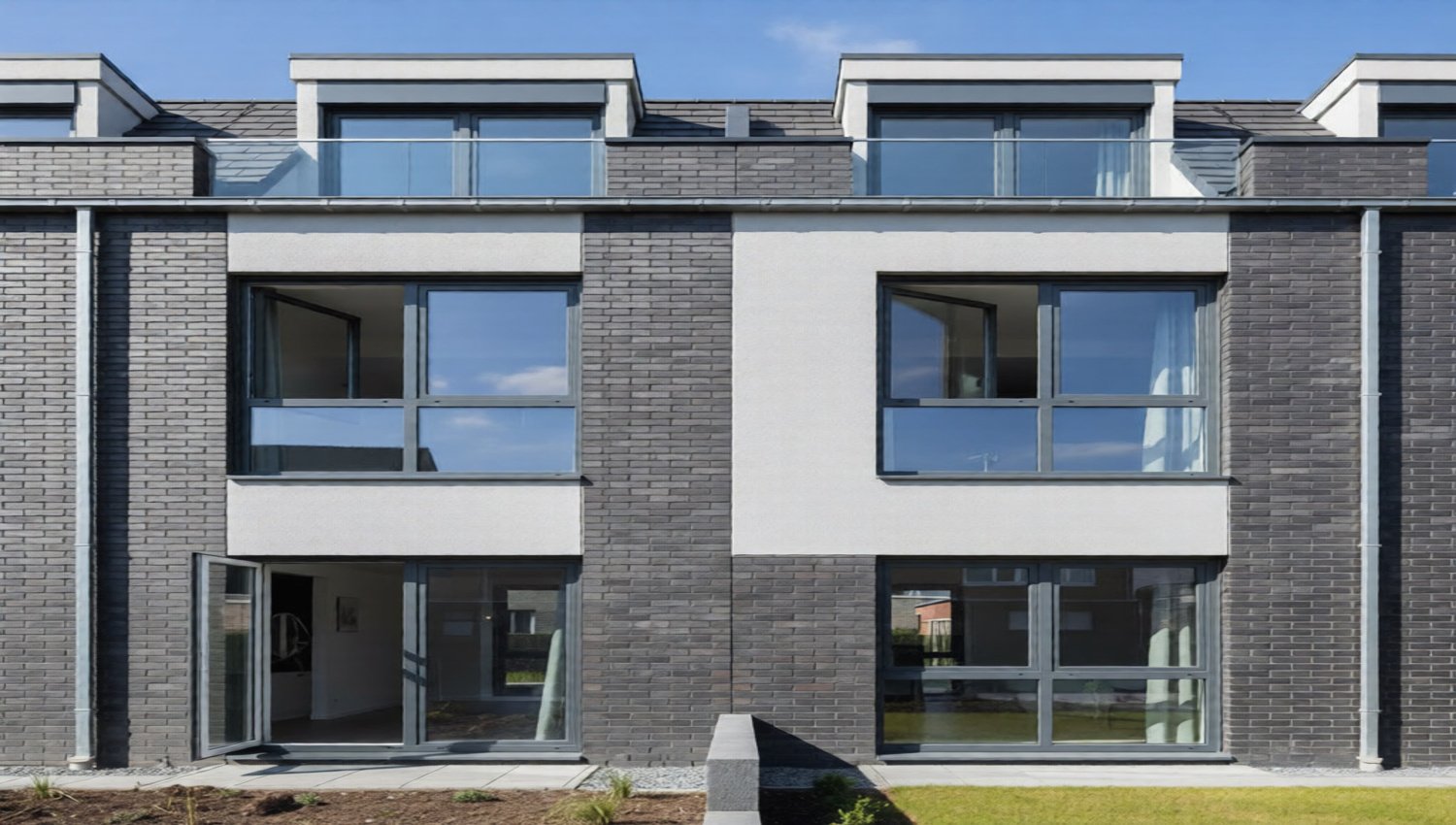
Aluminium Tilt & Turn Windows: 2025 Buyer’s Guide
Aluminium tilt and turn windows open in two ways: tilt inward from the top for secure ventilation or turn fully inward like a door for maximum airflow and easy cleaning. They combine European-style functionality with modern thermal-break aluminium frames that resist corrosion, warping, and extreme weather. In 2024-2025, these windows achieved an average U-factor of 0.28-0.32 with triple glazing, cutting heat loss by up to 42 % compared to older double-hung units (source: U.S. Department of Energy) Aluminium Tilt & Turn Windows.
This guide covers every detail you need before buying — from exact opening mechanics and security ratings to real installed costs in 2025 and the brands that actually deliver.
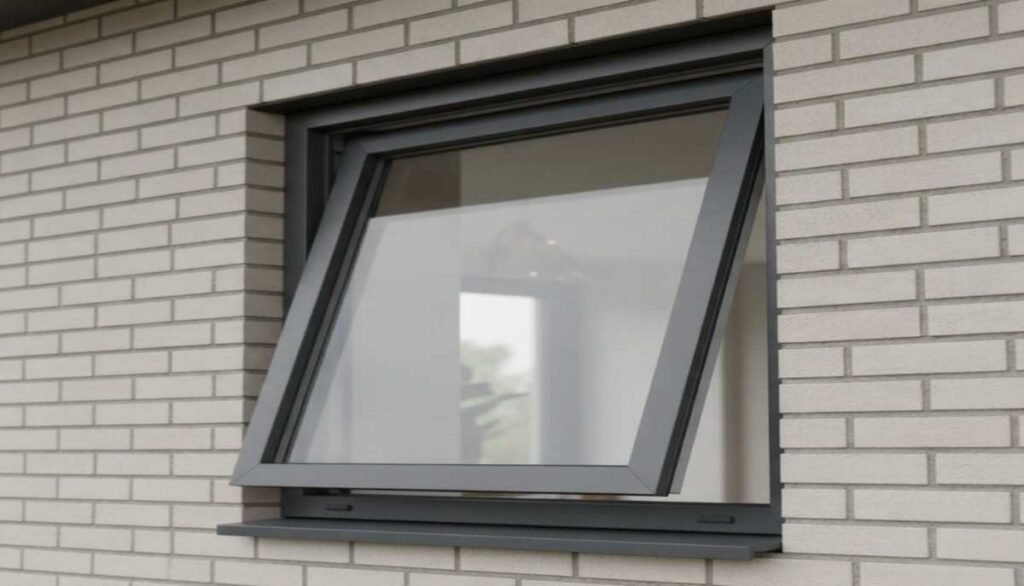
How the Tilt & Turn Mechanism Actually Works
One handle controls both movements. Turn it 90° upward — the window tilts from the top and opens 100-150 mm at the head. Turn it 180° — the window swings fully inward on side hinges. A third position (135°) locks the sash for cleaning. The system uses concealed multi-point espagnolette gearing tested to 20,000 cycles (roughly 55 years of daily use).
This design gives you controlled ventilation without exposing the room to heavy rain or strong wind — a common complaint with casement and sliding windows.
Why Aluminium Frames Beat uPVC and Timber in 2025
Modern aluminium frames include a polyamide thermal break that stops cold bridging. Independent tests show frames maintain surface temperatures above 16 °C when outside is -10 °C, preventing interior condensation. Powder-coated finishes now carry 25-year color guarantees against chalking and fading (Qualicoat Class 2 standard). Unlike timber, aluminium never swells, and unlike uPVC, it won’t sag in direct sun above 40 °C.
Result: frames stay square for the life of the window, and hinges rarely need adjustment.
Energy Performance You Can Verify
A typical 1.2 m × 1.5 m aluminium tilt and turn window with triple low-E argon glazing reaches:
- U-value: 0.8–1.0 W/m²K (whole window)
- Solar Heat Gain Coefficient (SHGC): 0.30–0.45
- Air leakage: ≤ 0.1 cfm/ft² at 75 Pa
These numbers qualify for most 2025 energy rebates in the EU, UK, and several U.S. states. Real-world data from Passive House projects shows annual heating + cooling savings of 28–35 % versus 1990s double glazing.
Security Features That Actually Stop Break-Ins
Standard models include 8–12 mushroom-headed locking points around the sash. When closed, steel pins engage into keeps rated for 1,000 kg force each. Laminated 6.4 mm glass and internally glazed beads make forced entry through the glass almost impossible. UK Secured by Design police certification and PAS 24:2022 approval are now standard on mid-range and premium lines.
Cleaning and Maintenance — The Real Day-to-Day Advantage
Because the sash swings fully inward, both sides of the glass are cleaned from inside the room. No ladders, no window cleaners for upper floors. Tracks only need vacuuming twice a year and a light spray of silicone lubricant. Handles and hinges are stainless or coated steel — corrosion issues reported before 2015 have been solved.
Soundproofing Performance
With acoustic laminated glass (8.8 mm), these windows reduce external noise by 38–42 dB (Rw + Ctr). Independent lab tests confirm traffic noise dropping from 75 dB outside to 33–35 dB inside — noticeable relief beside busy roads.
Average 2025 Prices (Supply + Installation)
- Entry-level Chinese/European brands: $750–$950 per m² installed
- Mid-range (Schüco AWS 75, Reynaers CS 77): $1,050–$1,350 per m²
- Premium (Keller Minimal WS 100, Kolbe VistaLuxe): $1,500–$2,200 per m²
Prices include triple glazing, standard RAL color, and professional installation with 10-year insurance-backed guarantee.
Best Brands and Series Available Right Now
- Schüco AWS 75.SI+ — best overall balance, U-value down to 0.74 W/m²K
- Reynaers MasterLine 8 — hidden sash option for ultra-slim sightlines
- Aluprof MB-86US — excellent value in Eastern Europe and growing U.S. availability
- Kolbe VistaLuxe FD (U.S. focused) — AAMA AW-100 rating for hurricane zones
Full comparison table available on Wikipedia’s Tilt and turn window page for historical development.
Common Questions Answered
- Can they be used as fire egress? Yes — minimum clear opening 500 mm × 700 mm meets most codes when fully turned.
- Do they work in bathrooms? Compact 600 mm widths open fully for steam ventilation without mold risk.
- Retrofit possible? Yes, most replace existing frames with only minor masonry trimming.
Aluminium tilt and turn windows solve the five biggest window complaints — poor ventilation control, difficult cleaning, condensation, security worries, and high energy bills — in one system. If you’re replacing five or more windows in 2025-2026, the payback period through energy savings and lower maintenance is typically 7–11 years.
Ready for accurate quotes? Measure your rough openings and contact three certified installers — the differences in hardware quality and sealing details are worth seeing in person.




One thought on “Aluminium Tilt & Turn Windows: 2025 Buyer’s Guide”