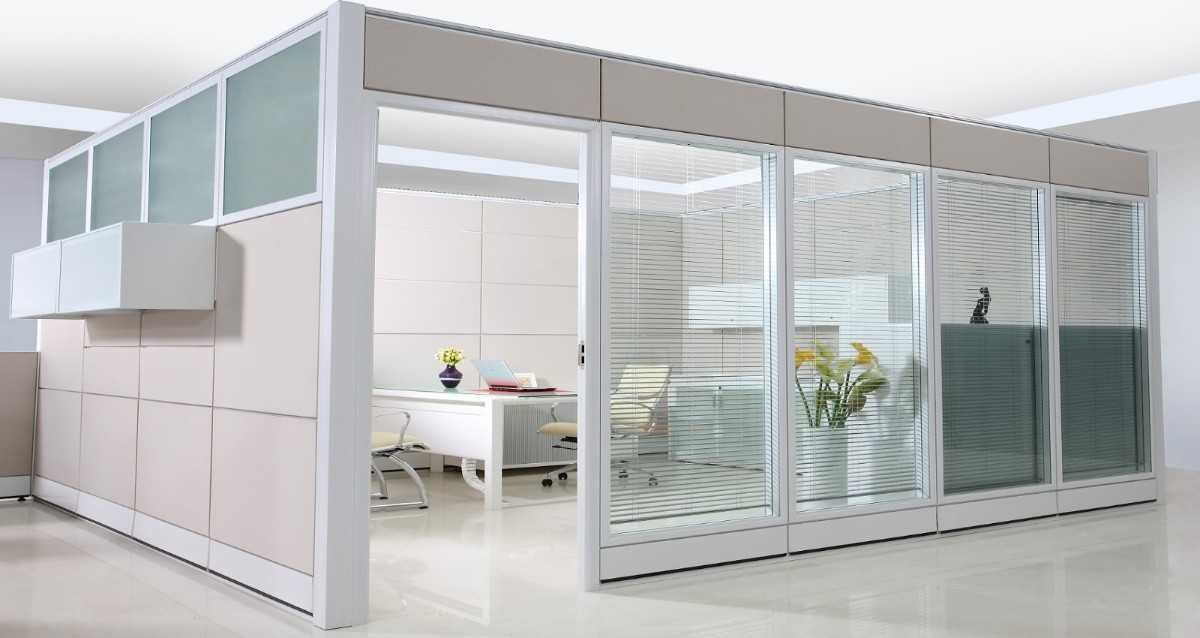
Active Glass and Aluminium: Revolutionizing Modern Architectural Design
In the ever-evolving world of architecture and construction, the quest for materials that blend aesthetics, performance, and sustainability continues to drive innovation. Among the most significant advancements in recent years is the integration of active glass and aluminium frameworks. This powerful combination is not just a trend; it represents a fundamental shift in how we design and experience buildings. Active glass and aluminium systems create dynamic, responsive, and highly efficient building envelopes that can adapt to environmental conditions, reduce energy consumption, and redefine a structure's visual identity. This comprehensive guide delves into everything you need to know about this transformative technology, from its core functionality to its vast applications in contemporary design.
What Exactly Are Active Glass and Aluminium Systems?
To understand their impact, we must first define the components. Aluminium, known for its strength, durability, and lightweight properties, serves as the primary structural skeleton. Its flexibility allows for sleek, minimalist frames that maximize glass area, creating a seamless connection between indoor and outdoor spaces.
Active glass, often referred to as smart glass or switchable glass, is the technological heart of the system. This is not ordinary glass. It can alter its light transmission properties when voltage, light, or heat is applied. Essentially, it can switch between transparent and opaque states on command. When combined, the robust aluminium framework and the dynamic active glass create an intelligent facade system.
The Core Technology Behind Active Glass
Several technologies empower active glass, each with unique mechanisms and benefits.
1. PDLC (Polymer Dispersed Liquid Crystal)
This is the most common technology for instant privacy. A PDLC film is sandwiched between two layers of glass or laminate. In its off state, the liquid crystals are scattered, scattering light and creating an opaque, milky-white appearance. When an electric current is applied, the crystals align, making the glass transparent. The transition is nearly instantaneous.
2. SPD (Suspended Particle Device)
SPD glass offers superior control over light and heat. Tiny, suspended particles block light when no voltage is applied. When electricity is introduced, the particles align and allow light to pass through. Users can often fine-tune the voltage to achieve precise levels of shading and visibility, moving beyond a simple on/off function.
3. Electrochromic Glass
This technology works by using a small electrical charge to move ions between layers, causing the glass to tint gradually. It is particularly effective for solar control, transitioning from a clear state to a dark blue or grey tint to reduce glare and heat gain from the sun.
Key Benefits of Integrating Active Glass and Aluminium
The synergy between these materials delivers a multitude of advantages for both commercial and residential properties.
Unparalleled Energy Efficiency and Sustainability
Buildings account for a substantial portion of global energy consumption. Active glass directly addresses this issue. By dynamically controlling solar heat gain, these systems significantly reduce the load on HVAC systems. Electrochromic and SPD glass can block a significant percentage of solar heat, leading to lower energy bills and a smaller carbon footprint. The aluminium frame also contributes through its thermal break technology, which prevents thermal bridging and enhances the building's overall insulation.
Dynamic Privacy and Control at Your Fingertips
Gone are the days of static walls and permanent window treatments. With active glass, privacy becomes a dynamic feature. A simple button press, voice command, or automated schedule can transform a transparent conference room wall into a completely private space. This flexibility is invaluable for offices, healthcare facilities, and modern homes.
Enhanced Aesthetic Appeal and Design Flexibility
Architects and designers prize the clean lines and vast, uninterrupted glazing that aluminium systems enable. When filled with active glass, these facades become "living" elements of the design. The ability to control transparency allows for creative applications, such as projecting images onto opaque glass or using entire walls as dynamic art installations. The minimalist aesthetic of aluminium frames complements any modern architectural style.
Optimized Daylighting and Occupant Comfort
Consistent and comfortable natural light is a key factor in occupant well-being and productivity. Active glass systems mitigate glare and hotspots by intelligently tinting in response to the sun's position. This creates a soft, evenly lit environment that reduces eye strain and enhances the overall comfort of the space, all while maintaining a connection to the outdoors.
Primary Applications in Modern Construction
The versatility of active glass and aluminium finds use in a wide array of settings.
- Commercial Office Buildings: For executive offices, conference rooms, and open-plan areas that require adaptable privacy and superior energy management.
- Healthcare Facilities: In patient rooms, ICU units, and consultation areas where privacy and sanitation are paramount.
- Hospitality Industry: For luxury hotel rooms, restaurant partitions, and spa treatment rooms, creating unique and customizable guest experiences.
- High-End Residential Projects: In skylights, bathroom enclosures, and exterior walls of smart homes, offering homeowners ultimate control and modernity.
- Retail Stores: As dynamic storefronts or interactive display windows that can change to highlight different products or promotions.
Important Considerations Before Installation
While the benefits are compelling, a successful project requires careful planning.
- Initial Investment vs. Long-Term Savings: The upfront cost for active glass is higher than for traditional glazing. However, the long-term savings on energy bills and the value added to the property often justify the initial investment.
- Integration with Building Systems: For optimal performance, the glass should be integrated into the building's broader automation system (BAS). This requires collaboration between architects, engineers, and smart home integrators.
- Power Requirements and Maintenance: Active glass requires a continuous low-voltage power supply. It is crucial to understand the maintenance needs and lifespan of the specific technology chosen.
The Future of Facades: What's Next for Smart Glazing?
The innovation in active glass and aluminium systems is far from over. The future points toward even greater integration with the Internet of Things (IoT). Imagine facades that automatically tint based on real-time weather data, occupant presence, or a building's own energy production from solar panels. Further advancements in material science will likely lead to more affordable, even more efficient, and self-powering options, making this technology the standard for sustainable and intelligent construction.
Frequently Asked Questions (FAQs)
Q1: Is active glass the same as smart glass?
Yes, the terms are often used interchangeably. "Active glass" emphasizes its dynamic, responsive nature, while "smart glass" highlights its technological intelligence. Both refer to glass that can change its light transmission properties.
Q2: How much does an active glass and aluminium facade cost?
The cost varies significantly based on the glass technology (PDLC, SPD, Electrochromic), the size of the project, the complexity of the aluminium framing system, and installation requirements. It is best to consult with a specialist for a detailed quote, but it is generally a premium investment.
Q3: Can active glass be used for exterior windows?
Absolutely. Electrochromic and SPD glass are particularly well-suited for exterior applications as they are excellent for solar control and can withstand outdoor environmental conditions when properly sealed within a high-performance aluminium frame.
Q4: Does the glass remain opaque during a power outage?
This depends on the technology. PDLC glass typically becomes opaque when power is cut, ensuring privacy. Conversely, electrochromic glass retains its last tint state. It is a critical factor to discuss with your supplier based on your privacy needs.
Q5: How durable and long-lasting are these systems?
Modern active glass is highly durable and designed for long-term use. The laminated construction makes it strong and safe. The operational lifespan typically ranges from 20 to 30 years, depending on the technology and usage. The aluminium framework is known for its exceptional durability and corrosion resistance.




One thought on “Active Glass and Aluminium: Revolutionizing Modern Architectural Design”