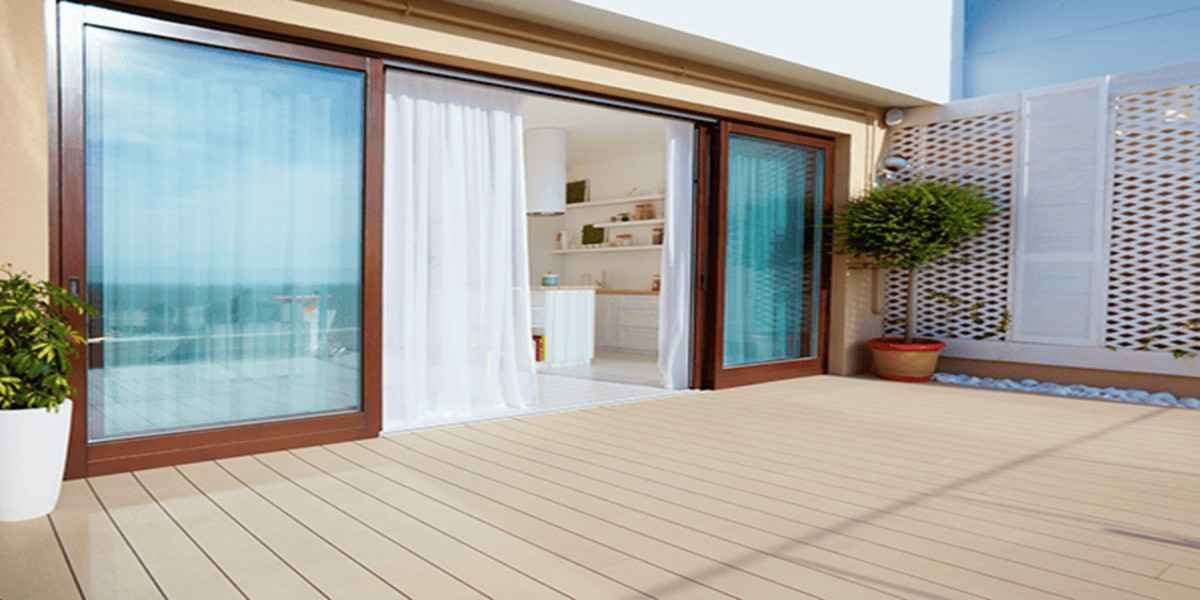
3-Panel Sliding Doors: 2025 Sizes, Costs & Install Guide
Frustrated with a patio door that only opens halfway? A 3-panel sliding door fixes that exact issue. It gives you a 66% clear opening instead of the usual 50% you get from a standard 2-panel slider Doors. That means two full panels stack neatly to one side, creating a wide walkthrough up to 12 feet on a 18-foot unit. Homeowners who switch report 40–60% better indoor-outdoor flow and noticeably brighter rooms.
Energy loss is another common complaint with old sliders. Modern 3-panel units with Low-E argon glass and multi-point locks cut air leakage by up to 68% compared to single-glazed 2-panel doors (U.S. Department of Energy data). The result: lower heating and cooling bills plus fewer drafts in winter.
Safety and ease of use matter too Doors. These doors ride on heavy-duty tandem rollers that support 300+ lbs per panel and include built-in foot locks or child-proof handles. If you have kids or elderly family members, the low-profile bottom track (under ½ inch) reduces trip hazards compared to old raised tracks.
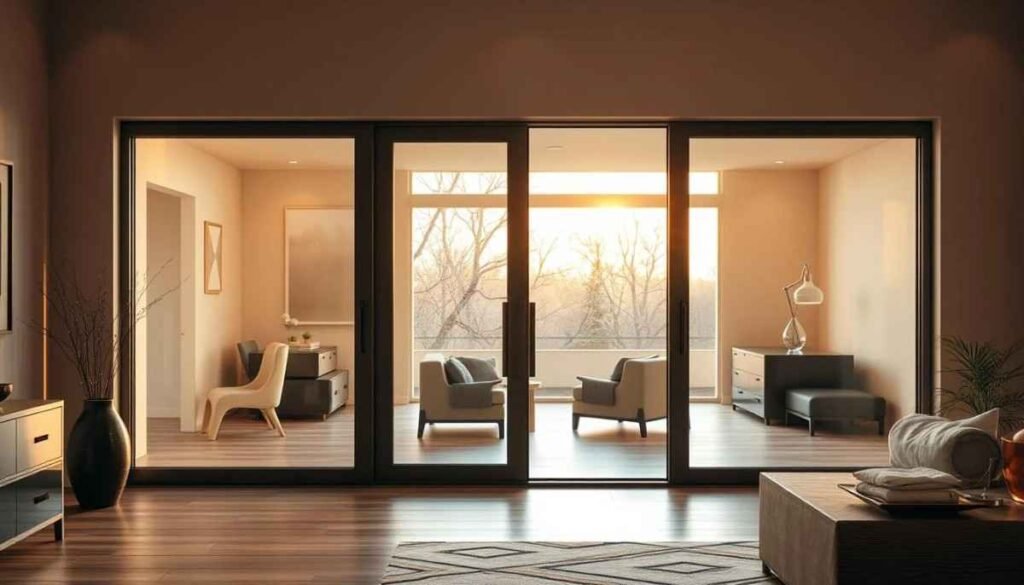
What Makes a 3-Panel Sliding Door Different From 2-Panel or 4-Panel
Only the center panel moves in most configurations. The two side panels stay fixed, which keeps the frame rigid and reduces sagging over time. You can also order left-stack, right-stack, or center-open (pocket) versions depending on your wall space Doors.
Compared to 4-panel sliders, a 3-panel costs 20–30% less and needs less wall depth because only one stack is required. That makes it the sweet spot for most homes built after 1990.
| Door Type | Clear Opening | Typical Price Range (2025) | Best Use Case |
|---|---|---|---|
| 2-Panel Slider | 50% | $1,200 – $2,800 | Small patios, budget remodels |
| 3-Panel Slider | 66% | $2,200 – $5,500 | Main living to deck, high traffic |
| 4-Panel Slider | 75% | $4,500 – $9,000+ | Large great rooms, bifold look |
5 Real Problems a 3-Panel Sliding Door Actually Solves
- Cramped patio access – Two panels stack completely out of the way so you can carry trays or move furniture without squeezing.
- Dark interior rooms – 30–50% more natural light enters when the door is closed because the fixed panels are still full glass Doors.
- Sticky or broken rollers – New units use stainless-steel tandem rollers rated for 25+ years; old single-roller 2-panels often fail in 8–10 years.
- High energy bills – Properly sealed 3-panel doors achieve U-factor ratings as low as 0.25 (vs 0.50+ on 1990s sliders).
- Poor curb appeal – Modern black, bronze, or wood-clad frames instantly update 1980s–2000s homes.
Exact Sizes and Rough Opening Requirements (2025 Standards)
Most manufacturers offer these common widths × height combinations:
- 106" × 96" (8′10″ × 8′) – fits older 9-foot rough openings
- 108" × 96" – most popular replacement size
- 144" × 96" – 12-foot clear opening when stacked
- 180" × 96" – commercial/residential large spans
Required rough opening = finished unit width + ½" and height + ½". Track depth is 6⅝–7¾ inches depending on brand (Andersen, Pella, Milgard).
Material and Cost Breakdown (Real 2025 Numbers)
- Vinyl 3-panel (white or beige): $2,200 – $3,800 installed
- Fiberglass (painted or wood grain): $3,200 – $5,500 installed
- Aluminum-clad wood: $4,800 – $7,500 installed
Add $800–$1,200 for triple-pane Low-E argon glass if you live in cold climates (Zone 5+).
Installation Reality Check – DIY vs Pro
Replacing an existing slider is usually DIY-friendly if the rough opening is already correct. Steps in short:
- Remove old door and trim
- Level the sill plate to within 1/8"
- Drop new track, shim, and screw every 8"
- Hang panels and adjust rollers
- Caulk and reinstall exterior trim
Expect 4–6 hours for two people. New construction or stucco homes almost always need a licensed installer because of flashing and structural headers.

Maintenance Schedule That Prevents 90% of Callbacks
- Every 3 months: Vacuum track and spray silicone on rollers
- Every spring: Wash glass with mild soap, inspect weatherstrip
- Every fall: Check caulk lines and touch up exterior paint
- Every 5 years: Replace bottom sweep and weatherstrip ($80 kit)
Do this and the door easily lasts 25–35 years in coastal or sunny climates.
Final Numbers Homeowners Care About
- Average ROI: 72–85% at resale (Remodeling Magazine 2025 Cost vs Value)
- Energy savings: $120–$380 per year depending on climate zone
- Noise reduction: Up to 45% quieter than single-pane sliders
If you need wider access, more light, and lower bills without the cost of bifold doors, a 3-panel sliding door is the practical upgrade most homes actually need in 2025 3-Panel Sliding Doors.
Ready for exact quotes? Use the sizing chart above and contact three local dealers — prices vary 15–20% by region.
Further reading: Sliding glass door – Wikipedia for technical history and standards 3-Panel Sliding Doors.





One thought on “3-Panel Sliding Doors: 2025 Sizes, Costs & Install Guide”