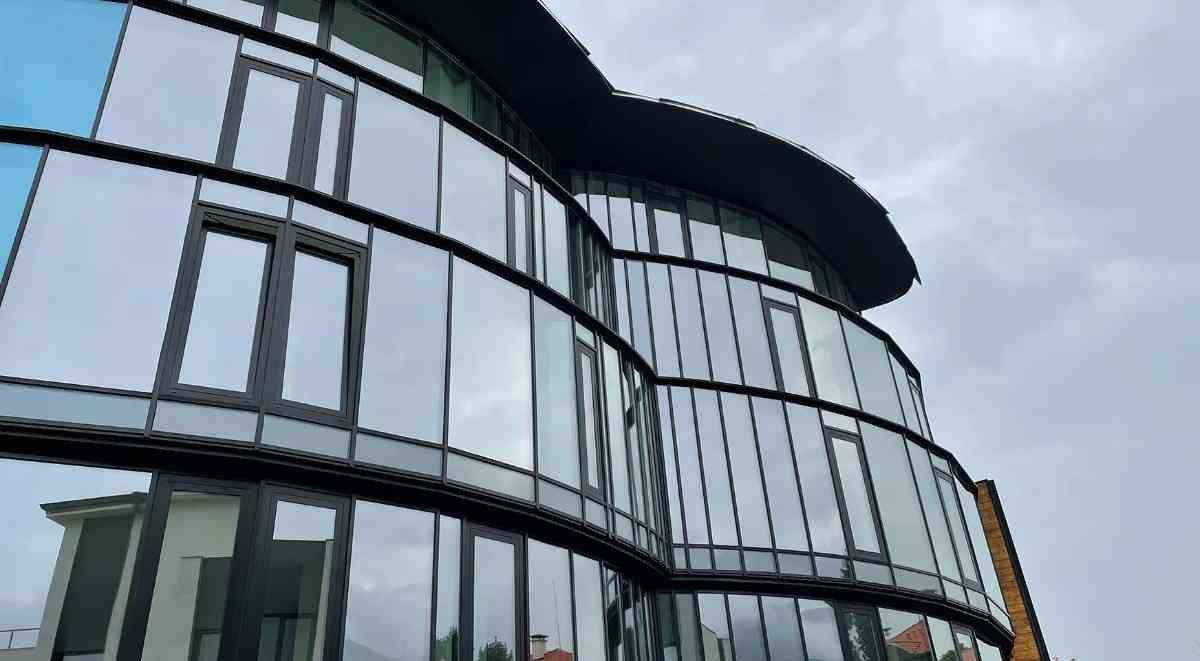
Look around you. From the window that frames the outside world to the screen of your smartphone, a remarkable material is almost always in your line of sight. This material is flat glass. It’s so seamlessly integrated into our daily lives that we often take it for granted. But have you ever stopped to wonder about the different types of this transparent marvel and their specific uses? This article will pull back the curtain on this essential material, exploring its manufacturing, its key varieties like tempered glass and laminated glass, and the critical roles they play in keeping us safe, comfortable, and connected flat glasflat glas.
The Foundation: How Most Flat Glass is Born
Before we dive into the specialized types, it’s important to understand the foundation. The vast majority of the flat glass we encounter today is created through a brilliant invention called the float process. Developed in the 1950s, this method involves melting raw materials like silica sand at extremely high temperatures until they become a molten liquid. This liquid is then poured onto a bath of molten tin. Since glass is lighter than tin, it “floats” on the surface, spreading out to form a perfectly smooth, level sheet with parallel surfaces. The glass is then cooled slowly in an annealing lehr to relieve internal stresses. This process creates what is known as annealed glass, the clear, pristine base material that is then transformed for its many uses. This base flat glass is strong enough for many applications, but when safety and performance are needed, it undergoes further processing flat glas.
Tempered Glass: The Guardian of Safety
When strength and safety are non-negotiable, tempered glass is the go-to choice. So, what exactly is it? Tempered glass is a type of safety glass processed by controlled thermal treatments. The annealed flat glass is heated to over 600 degrees Celsius and then cooled very rapidly in a “quenching” process. This treatment creates high surface and edge compression, which is what gives the glass its incredible strength flat glas.
Why Choose Tempered Glass?
- Exceptional Strength: It is typically four to five times stronger than annealed flat glass of the same thickness. This makes it highly resistant to impacts and thermal stress.
- Safe Breakage: This is its most crucial feature. When it does break, it doesn’t shatter into sharp, jagged shards. Instead, it crumbles into small, granular, cube-like pieces that are far less likely to cause serious injury. This characteristic is why it’s officially classified as a safety glass.
Because of these properties, the uses for tempered glass are extensive. You’ll find it in the side and rear windows of your car, in shower doors and enclosures, as glass tabletops, in patio furniture, and as full-length glass doors in offices and homes. Building codes often mandate its uses in areas where human impact is a possibility flat glas.
Laminated Glass: The Versatile Protector
While tempered glass is designed for strength, laminated glass is engineered for security and retention. This versatile product consists of two or more layers of flat glass permanently bonded together by a tough, flexible plastic interlayer, typically made of Polyvinyl Butyral (PVB) or Ethylene-Vinyl Acetate (EVA). This sandwich structure is what gives laminated glass its unique set of benefits.
The Multifaceted Advantages of Laminated Glass
- Safety and Security: When struck with force, the glass may crack, but the fragments adhere to the plastic interlayer. This prevents the glass from breaking apart and creating a hazardous opening. This makes it very difficult to break through, offering a degree of security against forced entry.
- Sound Insulation: The plastic interlayer also acts as a sound dampener. The uses of laminated glass are highly recommended for buildings in noisy urban areas or near airports, as it significantly reduces outside noise pollution.
- UV Protection: Most laminated interlayers block over 99% of harmful ultraviolet rays, protecting interior furnishings, artwork, and fabrics from fading flat glas.
The most common of all laminated glass uses is, without a doubt, the windshield in every automobile. Its ability to remain in place upon impact is crucial for passenger safety. Beyond cars, its uses extend to skylights, overhead glazing, glass railings, balconies, and in stores where display security is needed flat glas.
Where We See It: The Diverse Applications of Flat Glass
The journey of flat glass from a basic sheet to a high-performance product defines modern architecture and product design. The specific uses are virtually endless, but they can be categorized into a few key areas:
- Architectural Glazing: This is the most visible of all flat glass uses. It includes windows, doors, curtain walls that envelop skyscrapers, and interior partitions. Here, combinations are often used; an insulated glass unit might be made with one pane of tempered glass for safety and one of laminated glass for sound control.
- Automotive Industry: Every vehicle is a masterpiece of glass engineering. The windshield is laminated glass, while the side and rear windows are typically tempered glass. This combination ensures optimal safety and performance.
- Interior Design and Furniture: From the mirrors on our walls to the shelves in our cabinets and the tops of our coffee tables, flat glass adds a sleek, modern touch. In these uses, it is often tempered glass for durability.
- Technology and Specialty Applications: The screen on your phone, tablet, or TV is a highly engineered form of flat glass. Solar panels also rely on specialized flat glass to protect photovoltaic cells while allowing light to pass through.
Making the Right Choice for Your Needs
Selecting the correct type of flat glass is not just a technical decision; it’s a matter of safety, comfort, and functionality. To simplify:
- Ask yourself: Is human impact a concern? (e.g., shower doors, glass railings) -> Choose Tempered Glass.
- Ask yourself: Are security, soundproofing, or overhead safety key? (e.g., front windows, skylights, noise-prone rooms) -> Choose Laminated Glass.
- For standard windows where energy efficiency is the main goal, a double-paned unit using annealed glass might be sufficient, but upgrading one pane to laminated glass can add significant acoustic benefits.
Conclusion
Flat glass is far more than just a clear panel. It is a dynamic and highly engineered material that has been tailored to meet the demanding needs of modern life. From the robust reliability of tempered glass to the multifaceted protection of laminated glass, understanding these different forms allows us to make informed decisions, whether we’re building a new home, buying a car, or simply appreciating the silent, transparent guardian that makes our contemporary world possible. Its uses are a testament to human ingenuity, turning a simple sheet of sand into a cornerstone of safety, design, and innovation.

