Introduction to Glass and Aluminium
Glass and aluminium are essential materials in various industries, prized for their unique properties and versatile uses. The combination has revolutionized modern construction and manufacturing. This blog will explore the characteristics, advantages, and applications highlighting why they remain top choices in design and engineering. The keyphrase “glass and aluminium” will be integrated naturally throughout this article to enhance SEO performance.
What Are Glass and Aluminium?
Understanding Glass
Glass is a strong, brittle, and transparent material primarily made from sand, soda ash, and calcium oxide. It is an excellent insulator and possesses superb optical clarity, making it indispensable in windows, displays, and decorative items. Glass’s insulative properties help regulate temperature and improve energy efficiency in buildings.
Characteristics of Aluminium
Aluminium is a lightweight, strong, and corrosion-resistant metal. It conducts heat and electricity efficiently, making it ideal for electrical wiring, heat sinks, and transportation industries. Aluminium’s recyclability without quality loss further adds to its appeal as an eco-friendly material.
Advantages of Using Glass and Aluminium Together
Strength and Durability
Both exhibit high strength-to-weight ratios. Glass offers rigidity and resistance to scratching, while aluminium’s lightweight profile makes structures easier to handle and install. Together, they form durable frameworks, especially in windows and facades.
Energy Efficiency and Sustainability
Glass and aluminium both contribute to better energy management. Insulated units (IGUs) paired with aluminium frames reduce heat loss and improve indoor climate control, leading to lower energy bills. Moreover, are recyclable materials, supporting sustainable manufacturing processes.
Common Applications of Glass and Aluminium
In Architecture and Construction
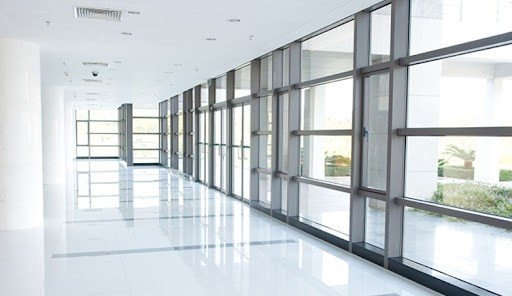
Glass and aluminium are widely used in windows, doors, curtain walls, and skylights. frames provide structural support while panels offer natural light and aesthetic appeal. This combination is perfect for modern buildings requiring energy-efficient and stylish solutions.
In Automotive and Transportation
Aluminium is favored for its strength and lightness, enhancing vehicle fuel efficiency. Glass, often laminated or tempered for safety, provides clarity and protection in vehicle windows and windshields.
In Consumer Products
From smartphones to kitchen appliances, popular for their sleek appearances and functional benefits. casing offers durability and heat dissipation, while screens provide clear visuals and scratch resistance.
How to Choose the Right Glass and Aluminium for Your Needs
Types of Glass Used with Aluminium
- Laminated Glass: Offers safety by holding shards together on breakage.
- Tempered Glass: Heat-treated for increased strength.
- Low-E Glass: Coated to reflect heat and enhance energy efficiency.
- Insulated Glass Units (IGUs): Two or more glass panes with air or gas fill to reduce heat transfer.
Aluminium Finishes and Alloys
Aluminium frames come in anodized or powder-coated finishes to increase corrosion resistance and aesthetics. Choosing the right alloy depends on the application, with options balancing strength and weight.
Tips for Maintaining Glass and Aluminium Structures
- Clean glass regularly with mild detergents and soft cloths.
- Avoid abrasive materials to prevent scratching.
- Inspect aluminium frames for corrosion and touch up finishes as needed.
- Ensure seals and insulation in IGUs remain intact to preserve efficiency.
FAQs About Glass and Aluminium
What makes aluminium a preferred material for framing glass?
Aluminium’s lightweight, strength, and corrosion resistance make it ideal for supporting glass panels without adding excessive weight or maintenance concerns.
Can glass and aluminium be recycled?
Yes, both materials can be recycled indefinitely without quality loss, making them sustainable choices for eco-conscious projects.
How does insulated glass improve energy efficiency?
Insulated Glass Units (IGUs) feature multiple panes separated by air or gas, reducing heat transfer and keeping indoor temperatures stable.
Are aluminium windows more durable than other metal frames?
Aluminium frames resist corrosion and require less maintenance compared to steel or iron, enhancing their durability and lifespan.
Is laminated glass safer than regular glass?
Laminated glass holds together when shattered, reducing injury risk and enhancing security in windows and doors.
What are the environmental benefits of using glass and aluminium?
Both have a low environmental footprint when recycled, with recycling saving about 95% of the energy required for production

